
Are Self-Watering Planters Worth It for a Busy Week?
Understand reservoirs, overflow, and plant fit before paying for a self-watering container.
Our guides explain practical buying considerations; they do not represent hands-on product tests. The shopping links below are ordinary retailer links and currently do not earn us a commission. How our links work.
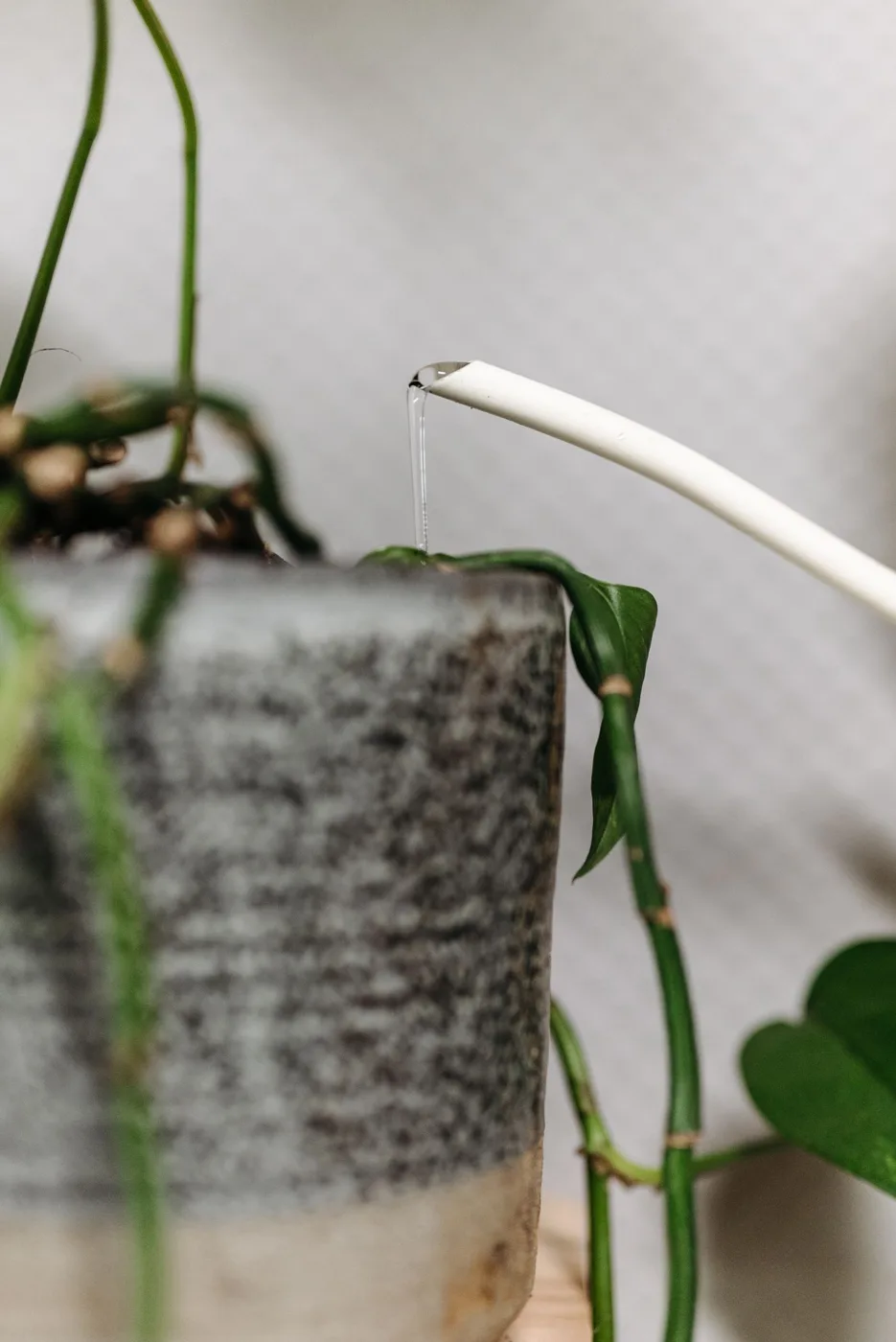
A self-watering planter sounds like an easy answer to missed watering days. It can be a useful answer, but the name leaves out the part where you still learn how the system behaves. A reservoir changes how water reaches the growing mix. It does not erase differences between a sheltered fern, a sun-exposed herb, and a large patio tomato.
Understand what the reservoir actually does
Many systems hold water below the planting area and use a wicking arrangement to move moisture upward. Designs vary, so read the instructions for the particular planter. Some need a specific mix, a particular initial watering method, or a period of top watering while roots establish. A container cannot be judged from the reservoir size alone.
Check how excess rainwater leaves the system if it will live outdoors. An overflow opening may be central to the design. Do not block it to prevent drips without understanding what that changes. For an indoor model, determine how to fill it without overflowing onto furniture and how to inspect the water level.
A visible gauge can be convenient, although it only reports part of the situation. The growing mix and plant still need checking. A reservoir that contains water does not automatically mean moisture is reaching every root appropriately.
Match the design to your actual absence
For someone away at work all day, a reservoir may smooth out watering demands. For a long trip, its usefulness depends on the plant, weather, container size, and how much water it actually uses. Treat advertised durations cautiously when the conditions differ from your home. Test the setup while you are present before relying on it during travel.
A sheltered balcony can behave differently from a hot, windy roof terrace. If you cannot easily reach the fill opening once foliage grows, the planter may become harder to maintain than a normal pot. Check access from the side and above, not just the appearance of the display.
For a collection with varied care needs, individual reservoirs provide more control than a single long container. A unified trough can look tidy, but every plant shares the same basic moisture environment. Choose compatible plants or separate them.
| Container | Good fit | Main tradeoff |
|---|---|---|
| Ordinary draining pot | Flexible care and easy inspection | More direct watering attention |
| Reservoir planter | Compatible plants with recurring watering needs | Setup, cleaning, and plant fit matter |
| Individual reservoir pots | Plants with different care needs | More components to monitor |
The ordinary pot still has advantages
A simple draining pot is easy to inspect and flexible to repot. There are fewer hidden channels to clean and fewer components to replace. If you already enjoy checking plants and rarely miss care, the reservoir's added cost and bulk may not solve a meaningful problem.
A self-watering planter is more compelling when the daily watering burden is a specific frustration and the plant suits the system. It may also be helpful where carrying water frequently is inconvenient. Compare the filled weight and ease of emptying, since a water reservoir can make moving the pot more demanding.
Choose a design with accessible parts and clear cleaning instructions. A sealed-looking base may photograph beautifully yet make end-of-season maintenance awkward. Replacement gauges or wicks can matter if the planter is intended as a long-term purchase.
Set it up before you depend on it
Use the recommended growing medium and follow assembly instructions exactly. Make sure any overflow or drain is configured for indoor or outdoor use as directed. Water and observe the planted container over a normal week, noting how the reservoir and mix change.
Fertilize according to the plant and system guidance. More water storage does not mean more fertilizer is needed. Mineral buildup and maintenance requirements vary, so do not copy a care routine from a different planter without checking compatibility.
If the plant looks unhappy, investigate the roots, moisture, light, and setup rather than repeatedly topping up the tank. A reservoir can conceal problems if its gauge becomes the only thing you watch.
Buying questions with useful answers
Can I convert an ordinary pot?
Conversion inserts exist, but dimensions and drainage compatibility matter. Check that the insert fits properly and that the resulting arrangement follows the manufacturer's intended use. An improvised sealed bucket is not automatically a suitable equivalent.
Will it stop overwatering?
It may make watering more consistent in the right situation, but incorrect setup or an unsuitable plant can still lead to poor conditions. Follow the specific instructions and continue checking the growing mix.
What should I buy first?
Try one planter with a plant whose needs fit the design. Compare its care with an ordinary pot before replacing a whole collection. The value is a routine that works more reliably, not simply a reservoir you can point to.
Explore your options
Use these retailer collections to compare current choices. Check the exact dimensions, materials, care instructions, delivery costs, and return terms before ordering.
Planters at Target
Consider it for: Compare reservoir designs and overflow instructions for the intended location.
Keep in mind: Advertised watering intervals may not match your weather or plants.
Browse retailer options ↗Indoor plant pots at IKEA
Consider it for: Compare a simpler nursery-pot-and-cover arrangement as an alternative.
Keep in mind: Ordinary decorative pots still require active drainage management.
Browse retailer options ↗Sources & further reading
Editorial information and linked destinations reviewed October 6, 2026. Product ranges and specifications can change. Send a correction or a question.
A little more inspiration
More Garden ↗
A Balcony Herb Garden That Fits Real Life
Choose useful herbs, manageable pots, and a watering setup for a balcony you actually use.
4 MIN READ
Terracotta, Plastic, or Glazed Pots? Choose for Your Patio
Match planter materials to sun, watering habits, moving weight, and winter storage.
4 MIN READ
How to Choose Indoor Plants for the Light You Actually Have
Build a small houseplant collection around windows, care habits, and useful container choices.
4 MIN READ