
Terracotta, Plastic, or Glazed Pots? Choose for Your Patio
Match planter materials to sun, watering habits, moving weight, and winter storage.
Our guides explain practical buying considerations; they do not represent hands-on product tests. The shopping links below are ordinary retailer links and currently do not earn us a commission. How our links work.
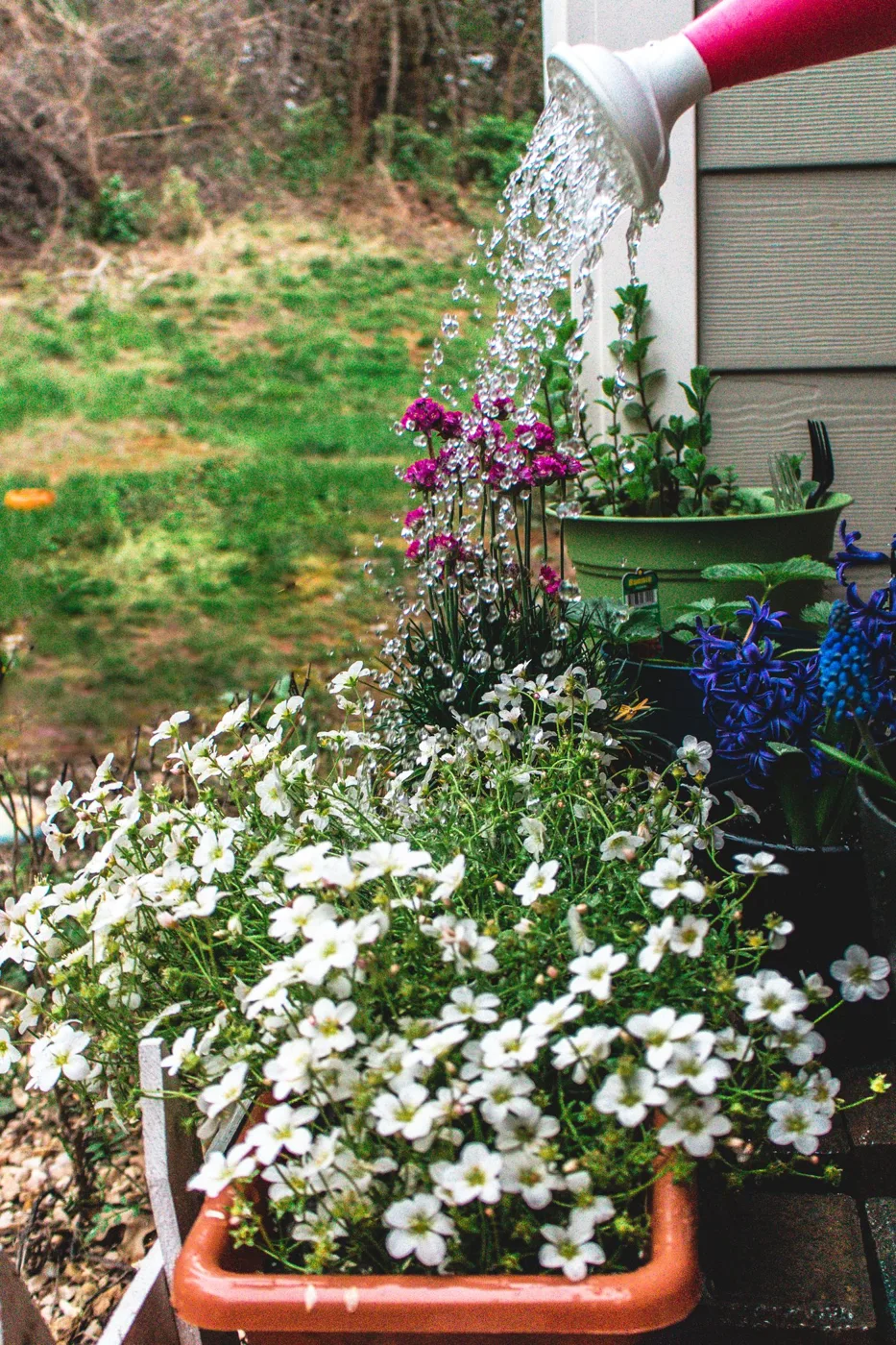
A row of pots can look beautiful at the store and become awkward by the first hot weekend. One dries faster than expected, another is too heavy to move away from the door, and a third has no drainage opening. Choosing a planter starts with how it will live on your patio. Color comes after the questions of weight, water, and weather.
The useful differences between common materials
Terracotta is a good candidate when you value its earthy appearance and can monitor watering. Its porous walls allow moisture movement, so the growing mix may dry more quickly than in a less porous container under otherwise similar conditions. That can suit certain plants and become inconvenient for others. It is also brittle. Check the manufacturer's guidance before leaving a terracotta pot exposed to freezing weather.
Plastic and resin pots are easier to reposition when empty, and many are manageable even after planting. They are useful for renters, seasonal arrangements, and balconies where a heavy ceramic pot would be difficult to carry. However, lightweight pots can become unstable with a top-heavy plant or strong wind. Inspect the base width, actual wall quality, and outdoor weather claims rather than assuming all plastic pots behave alike.
Glazed ceramic offers a broad choice of finishes and often feels substantial. The glaze makes the exterior less porous, but the drainage arrangement still determines whether excess water can escape. A decorative ceramic vessel without a hole works as an outer cover, with a separately draining nursery pot inside. It is less convenient for a large outdoor plant if emptying collected rainwater requires lifting the whole arrangement.
| Material | Useful for | Main tradeoff |
|---|---|---|
| Terracotta | A natural finish and hands-on plant care | Can dry faster and requires frost guidance |
| Plastic or resin | Moving and rearranging containers | Stability and construction vary |
| Glazed ceramic | A substantial decorative arrangement | Filled weight and drainage need planning |
Match the pot to one realistic day
Imagine watering before work in July. If you have several minutes and enjoy checking plants, a terracotta collection may fit. If the patio is hot and you frequently miss a day, a larger appropriately sized container with a less porous wall may be more forgiving. Plant choice, potting mix, root volume, and exposure all affect moisture needs, so material alone cannot promise a particular watering interval.
Now imagine moving the pot before a storm. Measure the doorway and consider the trip from patio to garage. The combined weight of a container, damp mix, and mature plant matters more than the shipping weight of the empty pot. A rated plant caddy can help on a smooth, level surface, but small wheels are less useful across thresholds or gravel. Lockable wheels and an appropriate load capacity are worth checking.
Compare details that photographs hide
Check whether drainage holes are open, marked for drilling, or absent. If drilling is required, confirm that the manufacturer permits it and that you have the appropriate tools. Read the interior dimensions rather than judging capacity from the exterior width. Thick walls and a tapered shape can reduce the usable planting volume.
Look at the saucer separately. It should catch ordinary drainage where necessary, but should not keep roots standing in water. On a wood deck, trapped moisture beneath a pot or saucer can also affect the surface. Use a setup compatible with the deck material and leave access for cleaning. A pot with an integrated saucer may look tidy yet make water management harder.
A set of three nesting pots is not always better value. If only one size fits your intended plants, the smaller pieces become clutter. Buy around a planting plan, or choose a matching material in different sizes as the garden grows.
Which material makes sense for your space?
For a balcony you rearrange frequently, start with a stable lightweight container and a practical draining setup. For a permanent sheltered entry display, ceramic can be worthwhile if you can manage the weight and winter care. For a gardener who likes close observation and a natural finish, terracotta remains appealing. None is universally best; each solves a different collection of constraints.
Use a limited palette to bring different materials together. A warm clay pot can sit beside a neutral resin planter if the foliage and spacing feel considered. You do not need to replace functional pots just to make every surface identical.
Frequently asked buying questions
Does a larger pot always mean a healthier plant?
No. Choose an appropriate size for the plant and its stage of growth. An excessively large volume of persistently wet mix can create problems. Use plant-specific repotting guidance instead of purchasing the largest vessel that fits the patio.
Is expensive ceramic more weatherproof?
Price does not establish frost resistance. Read the stated outdoor and freezing-weather guidance. If that information is absent, plan protected storage or choose a container with a clear suitability statement.
What is the best first purchase?
A correctly sized pot with reliable drainage is more useful than an elaborate finish. Spend the remaining budget on suitable growing mix and a watering arrangement you will actually use.
Explore your options
Use these retailer collections to compare current choices. Check the exact dimensions, materials, care instructions, delivery costs, and return terms before ordering.
Outdoor planters at Walmart
Consider it for: Compare planter materials and usable dimensions for a sunny patio.
Keep in mind: Check drainage and outdoor suitability on the individual product.
Browse retailer options ↗Outdoor garden containers at Target
Consider it for: Compare finishes and sizes for a patio arrangement.
Keep in mind: A photograph does not establish frost resistance or planted weight.
Browse retailer options ↗Sources & further reading
Editorial information and linked destinations reviewed October 6, 2026. Product ranges and specifications can change. Send a correction or a question.
A little more inspiration
More Garden ↗
A Balcony Herb Garden That Fits Real Life
Choose useful herbs, manageable pots, and a watering setup for a balcony you actually use.
4 MIN READ
How to Choose Indoor Plants for the Light You Actually Have
Build a small houseplant collection around windows, care habits, and useful container choices.
4 MIN READ
Build a Small Potting Station Without Giving Up the Patio
A practical guide to work surfaces, soil storage, and garden tools for compact spaces.
4 MIN READ