
Microfiber or Cotton Cleaning Cloths? Pick by the Job
Compare cloths for dusting, spills, kitchen wiping, and delicate surfaces, plus the care routine that keeps reusable cloths useful.
Our guides explain practical buying considerations; they do not represent hands-on product tests. The shopping links below are ordinary retailer links and currently do not earn us a commission. How our links work.
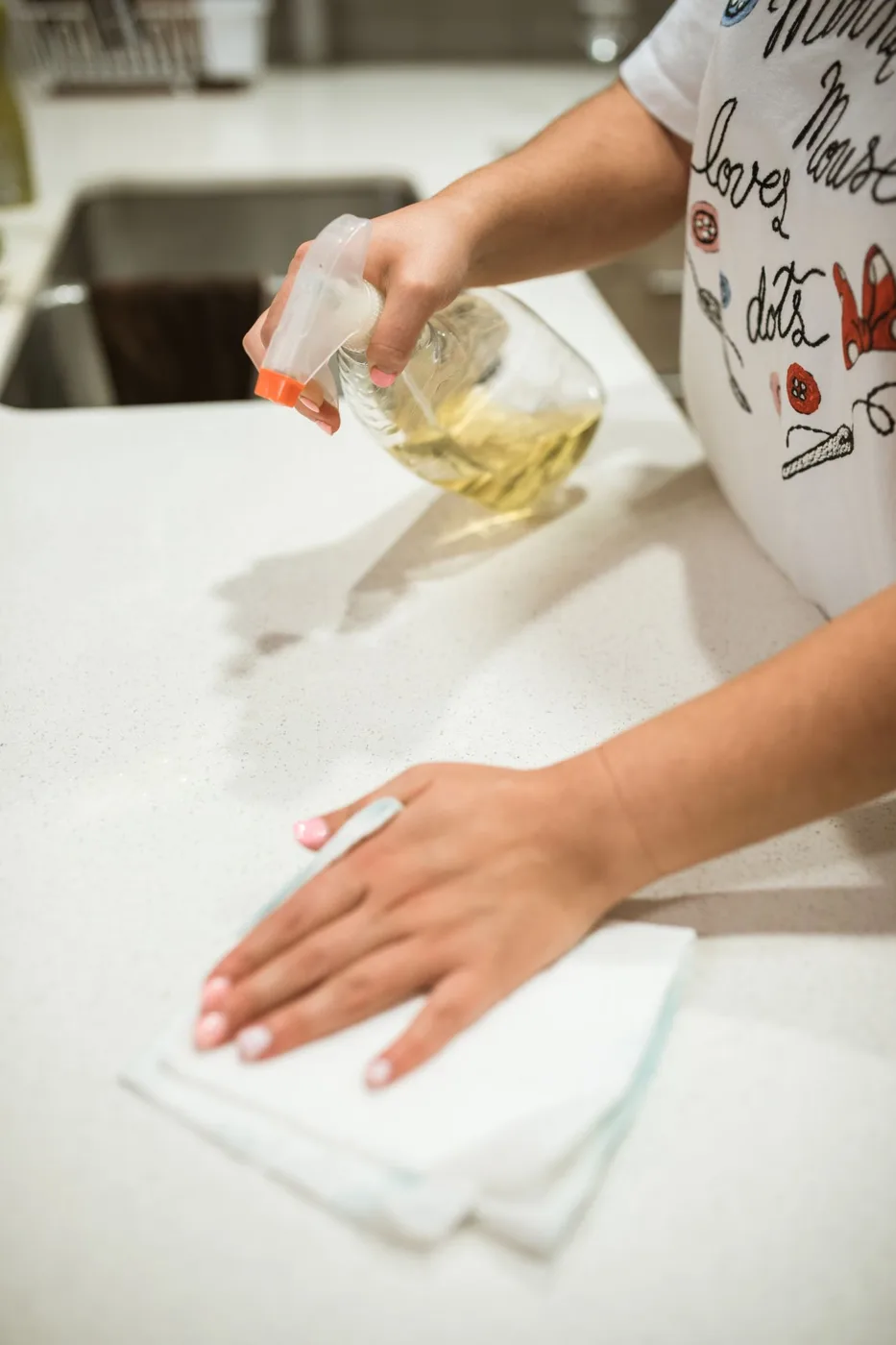
The right cleaning cloth is partly about fiber and partly about what happens after the wipe. A cloth that picks up a spill well but stays damp in a heap is not ready for the next task. Microfiber and cotton can both have useful roles, but they differ in feel, construction, and care requirements. Choose for the surface and routine rather than assuming one material should replace every towel in the house.
Start with the task in your hand
For light dusting, a cloth intended for that purpose can help collect loose particles without adding much moisture. For a sizable spill, absorbency and the ability to wash the cloth thoroughly may matter more than a very smooth finish. For mirrors, a lint-conscious cloth can be useful, provided the mirror maker's cleaning guidance is followed. Avoid using a dirty cloth on a delicate finish because trapped grit can scratch.
Microfiber is a broad category, not a uniform specification. Weave, density, edge construction, and intended use vary. Cotton cloths also range from thin flat weaves to thick terry loops. Read the individual product description and care label instead of choosing only by material name. Neither fabric makes an incompatible cleaning chemical safe for a surface.
Compare realistic uses
| Situation | A useful option | Limitation to consider |
|---|---|---|
| Light surface dust | Purpose-made microfiber cloth | Trapped grit still needs removal and washing |
| Kitchen spills | Absorbent cotton or suitable microfiber | Wet cloths need prompt care and drying |
| Glass finishing | Cloth designed to minimize lint | Existing soil or excess product can still streak |
| Rough or greasy mess | Dedicated washable utility cloth | May need separate laundering or replacement |
Keep cloths for bathrooms separate from cloths used around food preparation. A simple color distinction can help, but only if everyone understands it. Do not use a color system so detailed that it requires a chart for every small task. Two or three clear groups may be enough for an ordinary household.
Buy useful sizes and edges
A large cloth covers more area but can become awkward when saturated. A small cloth may be easier for wiping taps or cabinet handles. Fold a cloth to expose a clean section as you work, changing it when soiled rather than spreading residue with the same face. Check whether stiff edges, decorative stitching, or labels could contact a delicate finish.
Bulk packs can offer convenience, but start with a modest quantity. You need enough cloths for your cleaning frequency and wash schedule, not a drawer filled with unused colors. A thicker cloth is not automatically better; it may take longer to dry or feel cumbersome around small fittings. Flat cotton cloths can store compactly, while terry can be useful where a more substantial towel is wanted.
Follow the cloth's care instructions
Wash reusable cloths according to their manufacturer guidance and the soil they have encountered. Some microfiber products advise against fabric softener or particular drying conditions, so check the actual label. Do not assume a single hot-wash routine suits every cloth and every household situation. Follow appropriate public-health guidance when illness or contamination changes the cleaning needs.
Let used cloths dry safely between use and laundering when they cannot be washed immediately, keeping soiled cloths away from clean ones and food-contact areas. Do not seal a wet pile in a decorative basket. Clean storage should be dry and easy to distinguish from the collection point for used cloths. A small open drying spot can be more useful than buying another large pack.
Where disposable products fit
Disposable towels may be appropriate for some messy or contamination-sensitive jobs, but follow the relevant cleaning guidance and local disposal instructions. Do not flush wipes or paper products unless authoritative local guidance and the product clearly support the intended disposal; ordinary cleaning wipes should go in the trash as directed. Reusable cloths reduce some repeat purchasing but create laundering work, so consider the whole routine.
Skip claims that a cloth alone replaces every cleaning or disinfecting process. CDC guidance separates cleaning from disinfecting; if disinfection is needed, the product and process must be appropriate. A cloth is a tool within that process, not evidence that a surface has been disinfected.
Cloth questions
Can old cotton shirts become cleaning rags? Often for suitable utility jobs, provided they are clean, free from scratchy embellishments, and appropriate for the surface. Test cautiously where needed.
Why does a cloth leave streaks? Possible causes include residue, excess product, soil, or an unsuitable cloth. Follow surface guidance and try a clean cloth before buying another cleaner.
Which material should I buy first? Choose a small set for the job you repeat most. Keep the cloths that work with your cleaning and laundry habits rather than committing to a large matching collection.
Explore your options
Use these retailer collections to compare current choices. Check the exact dimensions, materials, care instructions, delivery costs, and return terms before ordering.
Reusable cleaning cloths
Consider it for: Compare reusable cloths by intended task, texture, and care directions.
Keep in mind: Fiber name alone does not establish suitability for a delicate surface.
Browse retailer options ↗Cotton towels and microfiber cloth packs
Consider it for: Browse cotton and microfiber options in a manageable starter quantity.
Keep in mind: Bulk packs need storage and do not remove the laundering work.
Browse retailer options ↗Sources & further reading
Editorial information and linked destinations reviewed October 6, 2026. Product ranges and specifications can change. Send a correction or a question.
A little more inspiration
More Cleaning ↗
The Small-Home Cleaning Kit That Covers Everyday Messes
Build a compact cleaning kit around your surfaces, storage space, and weekly routine instead of buying a bottle for every room.
4 MIN READ
Flat Mop or Spray Mop for Everyday Hard Floors?
Compare water control, pad care, storage, and ongoing costs before choosing a mop for your flooring.
4 MIN READ
An Evening Kitchen Sink Reset That Makes Mornings Easier
Choose a small set of sink-side tools and a sensible cleanup sequence for dishes, residue, and damp sponges.
4 MIN READ