
Flat Mop or Spray Mop for Everyday Hard Floors?
Compare water control, pad care, storage, and ongoing costs before choosing a mop for your flooring.
Our guides explain practical buying considerations; they do not represent hands-on product tests. The shopping links below are ordinary retailer links and currently do not earn us a commission. How our links work.

After breakfast, a hard floor may have crumbs, a sticky patch near the table, and muddy marks by the door. Those messes do not all need the same action. Remove loose debris first, then use a cleaning method approved for the floor. Choosing between a basic flat mop and a spray mop is mainly a decision about control, convenience, and maintenance—not a guarantee that one will clean every floor better.
Check the floor before the mop
Identify the flooring material and its finish, then consult its manufacturer's care instructions. Wood, laminate, vinyl, tile, and stone can have different limits for moisture and cleaning products. Do not assume that a floor described as water-resistant tolerates standing water or every wet-cleaning method. Avoid steam unless the floor manufacturer explicitly permits it.
A mop that releases liquid conveniently can still apply too much for a particular surface. The useful feature is controllable application, combined with appropriate product use and prompt drying as recommended. Never mix cleaning chemicals in a mop reservoir or bucket. Use only products and dilutions compatible with both the tool and the floor.
Compare the two routines
| Choice | Practical advantage | Main compromise |
|---|---|---|
| Basic flat mop with separate application | Flexible control over where moisture goes | Requires a separate bottle or appropriate setup |
| Refillable spray mop | Quick spot-cleaning without carrying a bucket | Reservoir and trigger add parts to maintain |
| Flat mop with bucket system | Useful for a larger cleaning session | More storage and cleanup after the job |
A spray mop can be convenient in a small kitchen when it lives nearby and is ready to use. A basic flat mop may be preferable if you want a simpler tool with fewer mechanisms. Neither choice removes the need to change dirty pads. Pushing one heavily soiled pad through several rooms can redistribute dirt instead of improving the result.
Look at the pad system closely
Check how pads attach and how easy they are to remove without handling the dirty surface unnecessarily. Washable pads create laundry work but may reduce repeated refill purchases. Disposable pads can be convenient, but assess ongoing availability, cost, and disposal. Confirm whether the mop accepts standard alternatives or requires a particular proprietary shape.
A broad head covers open areas efficiently but can be awkward in a narrow bathroom. A swiveling head helps around furniture, though the joint must still feel controllable. Consider the clearance under your cabinets and sofa if those are regular cleaning areas. The tool's overall dimensions matter more than a photograph showing it gliding through an empty room.
Think about the person doing the cleaning
Handle length and grip shape affect comfort. A fixed handle that is too short can encourage stooping; an adjustable one needs to lock securely. A full spray reservoir adds weight near the head or handle depending on the design. If possible, assess the loaded feel rather than judging the empty mop alone.
For a household with several flooring types, clearly distinguish compatible products and pads. Do not assume the same solution can move from kitchen tile to finished wood. A small labeled setup may be easier to manage than frequently emptying and refilling a reservoir with different products. Follow the tool's cleaning and storage directions between uses.
A floor routine that avoids extra work
Sweep or vacuum loose debris with an appropriate attachment. Address spills promptly according to floor guidance. Work in manageable sections and avoid leaving unnecessary moisture behind. Change or clean the pad when it becomes soiled. Finish by caring for the mop rather than storing it with a dirty wet pad attached.
Let reusable pads dry thoroughly after laundering before putting them into closed storage. Inspect the head for trapped grit that could scratch. If a spray mechanism clogs or leaks, consult its instructions rather than adding an improvised chemical mixture to clear it. A simple tool that is maintained consistently may be easier to live with than a feature-heavy one with neglected parts.
What to skip and final questions
Skip a large starter bundle until you know the pad format works for your home. Avoid buying on claims of universal surface suitability. Your floor's instructions take priority over broad marketing language.
Is a spray mop better for small apartments? It can be convenient for frequent small messes, provided it fits your storage and floor-care needs.
Do I still need a vacuum or broom? Usually you need an appropriate way to remove loose debris before wet cleaning. A mop is not a substitute for that step.
What should decide the purchase? Surface compatibility comes first, followed by moisture control, comfortable handling, pad maintenance, and refill availability. Extra features matter only after those basics work.
Explore your options
Use these retailer collections to compare current choices. Check the exact dimensions, materials, care instructions, delivery costs, and return terms before ordering.
Flat mops and washable pads
Consider it for: Compare simpler flat tools with pads appropriate to your flooring.
Keep in mind: Your floor manufacturer determines acceptable moisture and products.
Browse retailer options ↗Spray mops and compatible refills
Consider it for: Browse spray and refill formats if quick spot-cleaning is the priority.
Keep in mind: Reservoirs and triggers add parts to clean and maintain.
Browse retailer options ↗Sources & further reading
Editorial information and linked destinations reviewed October 6, 2026. Product ranges and specifications can change. Send a correction or a question.
A little more inspiration
More Cleaning ↗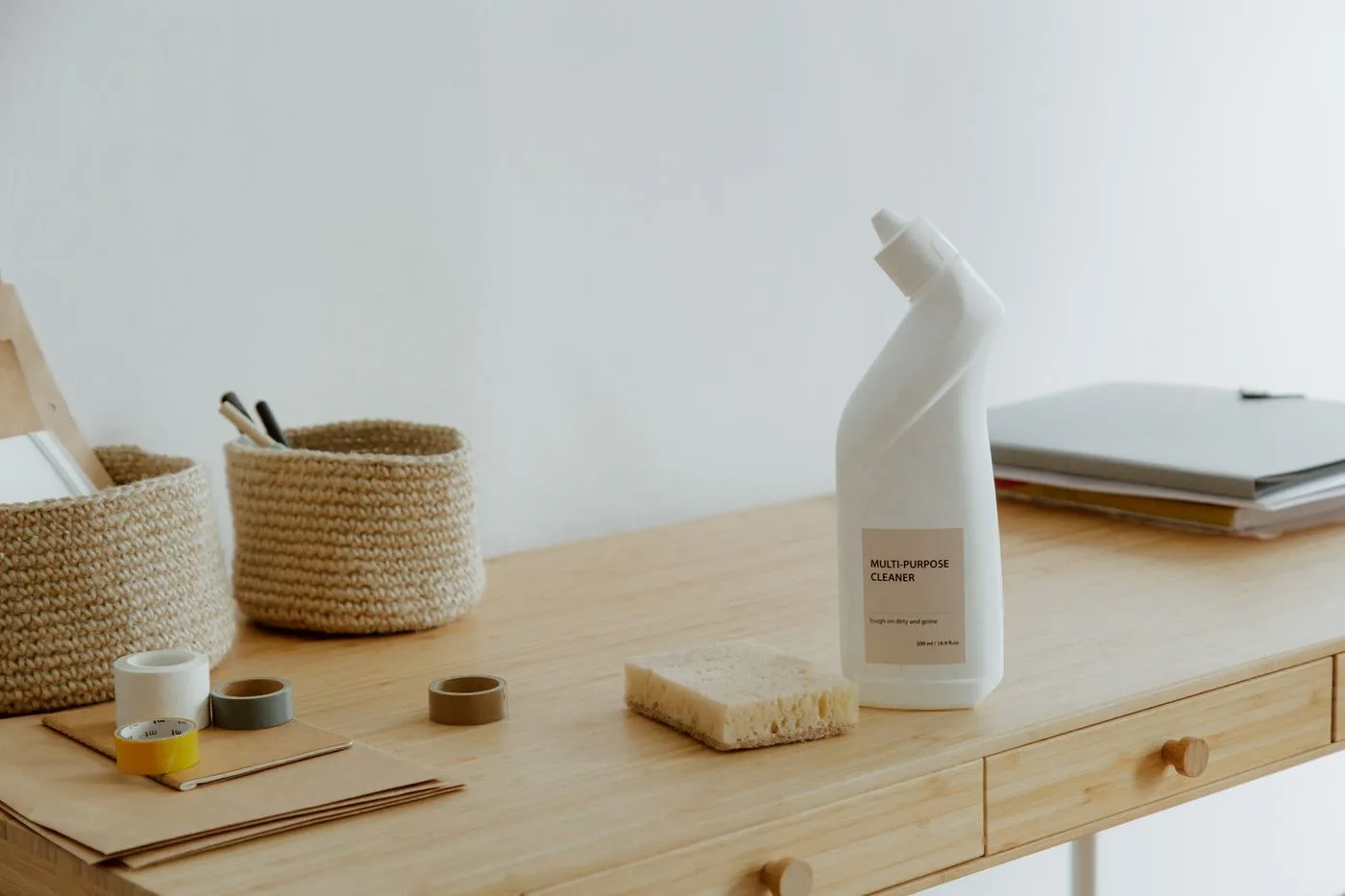
The Small-Home Cleaning Kit That Covers Everyday Messes
Build a compact cleaning kit around your surfaces, storage space, and weekly routine instead of buying a bottle for every room.
4 MIN READ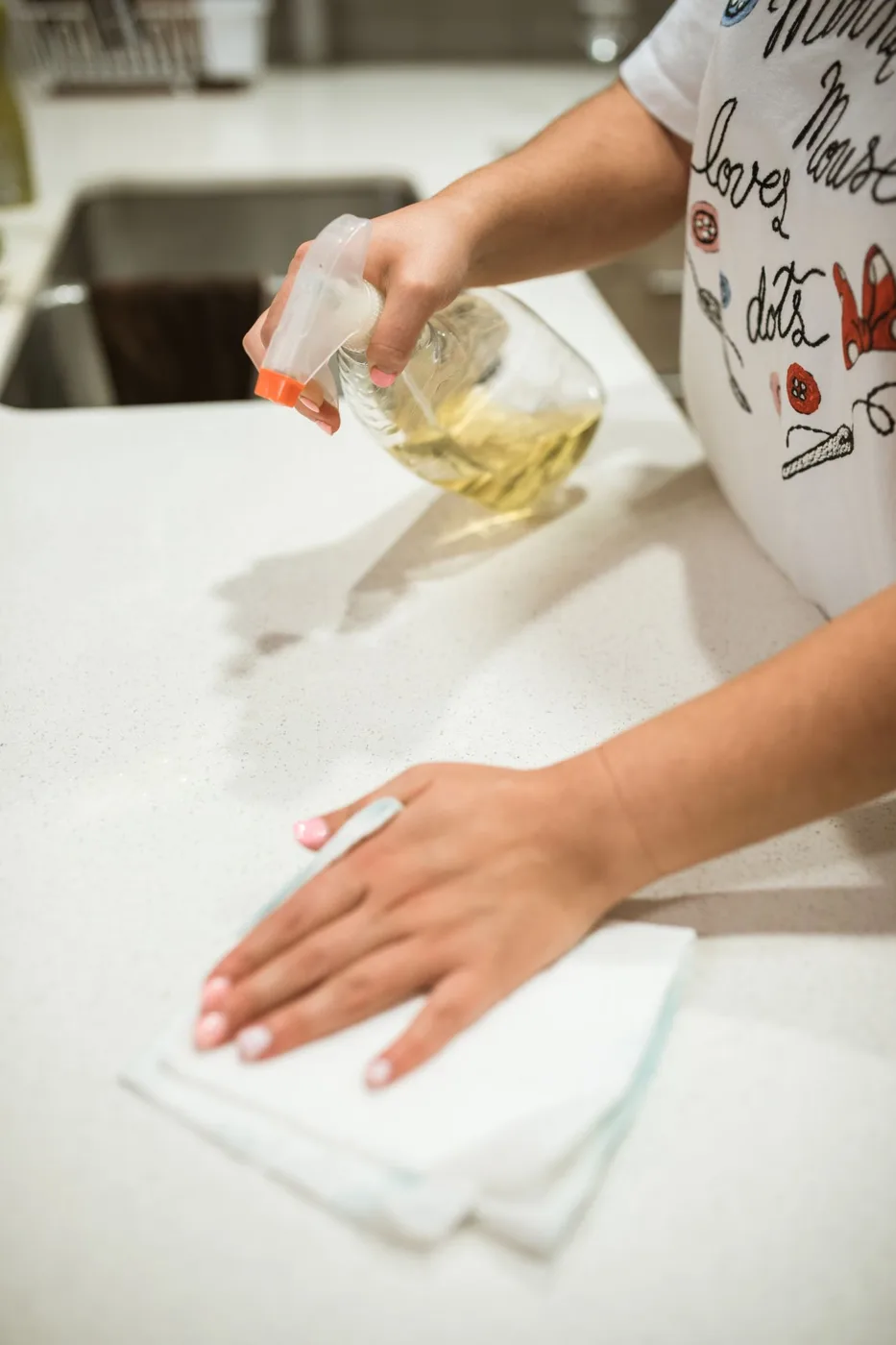
Microfiber or Cotton Cleaning Cloths? Pick by the Job
Compare cloths for dusting, spills, kitchen wiping, and delicate surfaces, plus the care routine that keeps reusable cloths useful.
4 MIN READ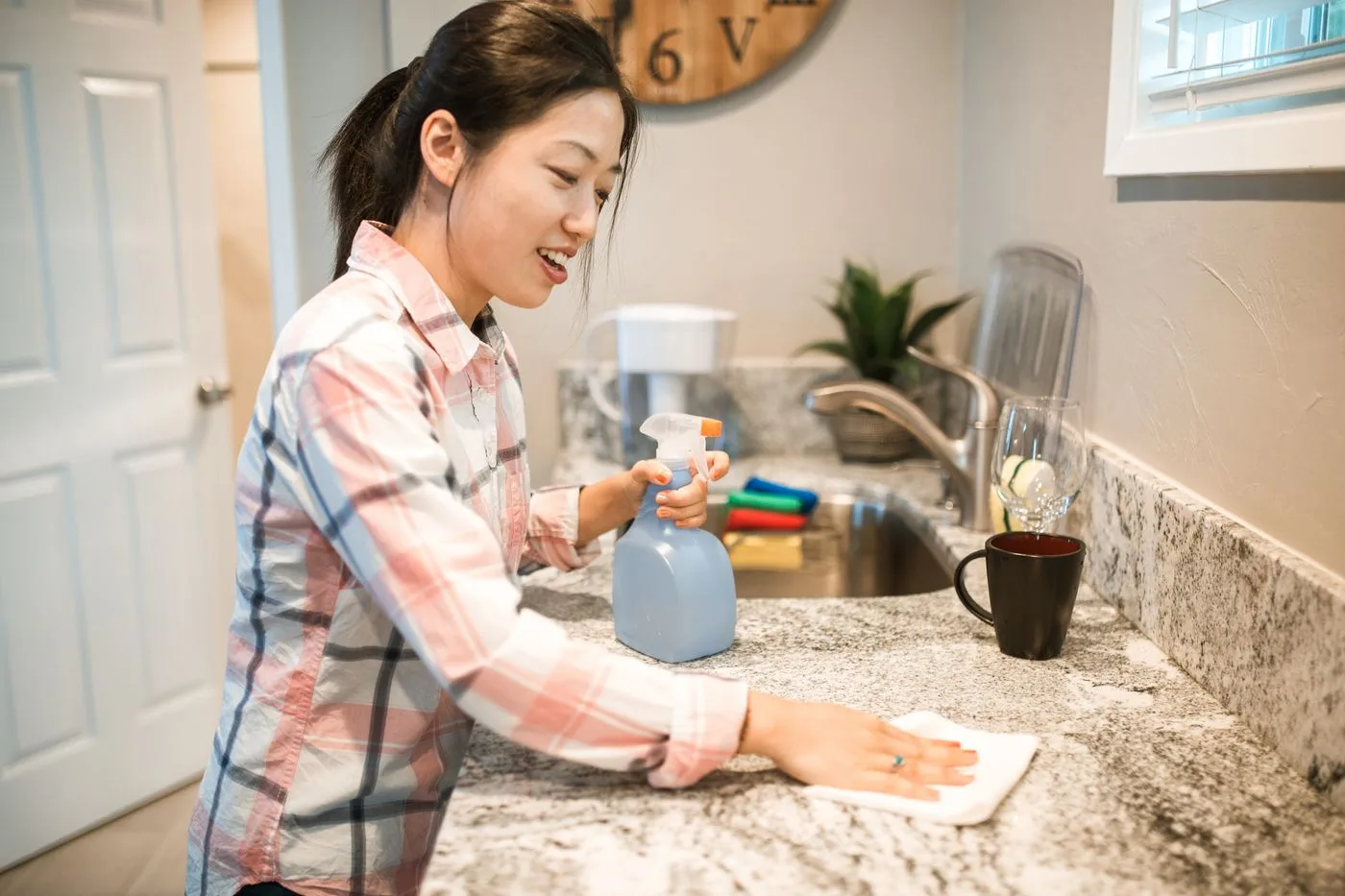
An Evening Kitchen Sink Reset That Makes Mornings Easier
Choose a small set of sink-side tools and a sensible cleanup sequence for dishes, residue, and damp sponges.
4 MIN READ