
The Garden Tools a Small Yard Actually Needs
Build a compact tool collection around recurring jobs, comfortable handling, and practical storage.
Our guides explain practical buying considerations; they do not represent hands-on product tests. The shopping links below are ordinary retailer links and currently do not earn us a commission. How our links work.
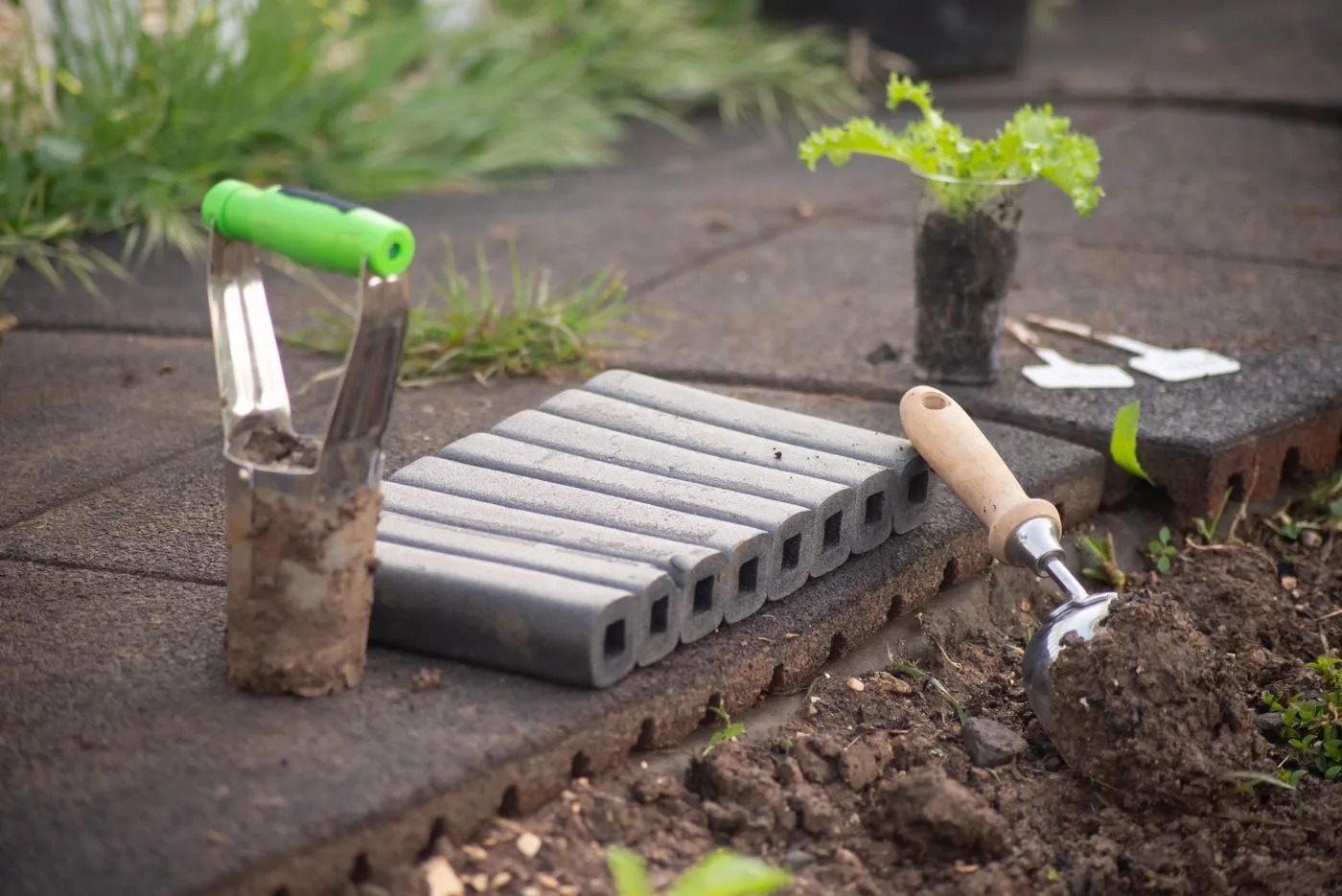
A small yard does not need a wall of specialized tools. It needs the right tools for the jobs that repeat: planting, light pruning, moving a little soil, and keeping surfaces usable. Buying a complete matching set often gives equal space to useful pieces and tools that never leave the shed. Build the collection from the work outward.
Identify the jobs you really do
A container gardener may use a scoop, hand pruners, and a watering can most often. A small lawn adds different needs, while a hedge introduces a separate pruning task. Write down the actual jobs from a typical month. Keep one-time projects separate so they do not dictate the permanent tool collection.
For occasional heavy work, borrowing or renting suitable equipment can make more sense than storing it. A tool that is too small for a major task can also waste time and invite unsafe improvisation. Match the equipment to the job, and follow its operating guidance rather than extending its use beyond what it was made to do.
Look at the garden's surfaces and access. Long handles need room to move, and a large wheelbarrow may not fit the side gate. Measure the route before buying bulky equipment that looks efficient in an open display aisle.
Choose the hand tools individually
A trowel should feel balanced with a comfortable grip and a blade shape suited to your soil or potting work. A broad scoop can be helpful for transferring loose mix, while a narrow tool may be easier in a crowded container. The sharpest-looking point is not automatically the best choice for every task.
For pruners, compare hand fit, opening width, locking mechanism, and the kind of growth they are designed to cut. Do not choose purely by the thickest branch pictured on the package. A tool that requires excessive hand force for ordinary work is the wrong match, even if the specification looks impressive.
Gloves should suit the material and task. Light breathable gloves are pleasant for potting; thorny pruning or rough materials may require different protection. Check fit at the fingers and palm. A bulky loose glove can reduce control over small tools rather than improving the job.
Spend on comfort where the work repeats
A tool handle that feels comfortable for a minute may behave differently during a longer session. When possible, hold it in the position you will actually use. Consider wrist angle, grip texture, and whether the tool can be operated with the gloves you wear.
A kneeling pad or garden seat can help make low work more comfortable, provided it is stable and appropriate for the user and surface. Check load ratings and how easily you can get up from it. Do not assume a folding seat is suitable on uneven ground merely because it is sold for gardening.
For carrying small loads, a flexible tub may be enough. A cart or wheelbarrow becomes useful when moving heavier or repeated loads over a suitable path. Compare storage footprint, tire maintenance, and turning clearance. More capacity is not an advantage if you cannot safely manage the loaded weight.
Make storage part of the purchase
Tools last more usefully when they have an accessible, dry home and receive the care their materials require. Clean off soil, dry appropriately, and follow sharpening or lubrication guidance. Store sharp edges where they cannot be casually grabbed by children or encountered while reaching for another item.
Wall hooks can free floor space, but anchor them correctly and keep heavy tools secure. A compact tool bag works well for hand tools if it does not become a damp container for dirty gloves. Separate consumable supplies from sharp equipment so the bag is easy to search.
Replace broken handles or worn parts when the tool supports repair and the work can be done safely. Availability of replacement blades, springs, or grips can be worth more than a decorative finish. Check that information before paying a premium for a long-term tool.
A sensible first collection
Begin with a suitable hand trowel or scoop, pruners for the plants you own, task-appropriate gloves, and a practical watering method. Add a rake or long-handled tool only if the yard's surfaces and planting need it. Each addition should solve a recurring frustration.
Keep a short list of jobs that felt difficult during the season. That list is a better shopping guide than a large spring display. If the same awkward task repeats, research the specialized tool then.
Questions before buying a set
Are matching tool kits a good deal?
Compare the pieces you will use individually. A low set price does not help if the key tool is uncomfortable or several items duplicate equipment you already own.
Should all tools be stainless steel?
Material is one factor alongside construction, maintenance, and the intended job. Follow the maker's care instructions and compare the actual tool rather than treating one material label as a complete quality rating.
What should stay off the list?
Skip powered or specialized equipment without a clear recurring use. A compact collection is easier to maintain, store, and reach when a quick garden job needs doing.
Explore your options
Use these retailer collections to compare current choices. Check the exact dimensions, materials, care instructions, delivery costs, and return terms before ordering.
Garden hand tools at Target
Consider it for: Compare individual tools around recurring tasks and comfortable grips.
Keep in mind: A complete set may contain pieces your garden does not need.
Browse retailer options ↗Lawn and garden supplies at Walmart
Consider it for: Compare basic hand tools against your recurring planting and pruning jobs.
Keep in mind: Check individual tool fit, construction, and seller information.
Browse retailer options ↗Sources & further reading
Editorial information and linked destinations reviewed October 6, 2026. Product ranges and specifications can change. Send a correction or a question.
A little more inspiration
More Garden ↗
A Balcony Herb Garden That Fits Real Life
Choose useful herbs, manageable pots, and a watering setup for a balcony you actually use.
4 MIN READ
Terracotta, Plastic, or Glazed Pots? Choose for Your Patio
Match planter materials to sun, watering habits, moving weight, and winter storage.
4 MIN READ
How to Choose Indoor Plants for the Light You Actually Have
Build a small houseplant collection around windows, care habits, and useful container choices.
4 MIN READ