
Sofa Pillows That Add Comfort Without Taking Over
Choose a small, useful mix of pillow sizes, textures, and covers for the sofa you actually sit on.
Our guides explain practical buying considerations; they do not represent hands-on product tests. The shopping links below are ordinary retailer links and currently do not earn us a commission. How our links work.
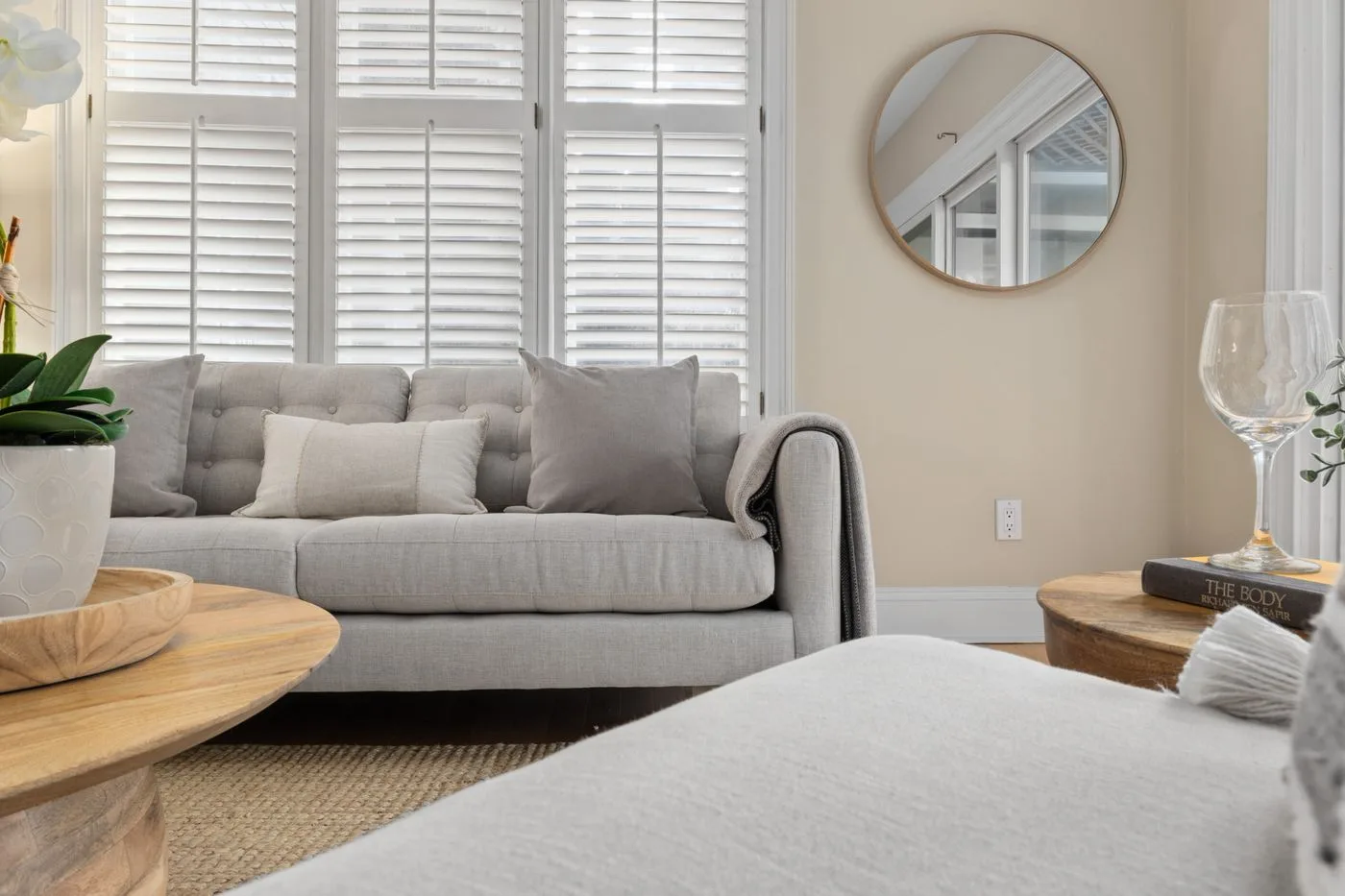
Decorative pillows are often the final objects added to a room and the first objects removed when someone sits down. A useful arrangement should make the sofa more comfortable, not create a nightly pile on the floor. Start by taking every pillow off. Sit in each place, notice where support is missing, and add back only what helps. That is a better guide than a fixed styling formula.
Choose a job for each pillow
A lower-back cushion may improve an overly deep seat. A larger pillow can soften the corner near a firm arm. Another may simply introduce a color you enjoy. These are all valid jobs, but they do not require the same size or firmness. Compare the cushion to the person and the seat rather than buying several identical squares because they look balanced online.
Measure the usable seating width and depth. A sofa with broad arms and a deep back can lose considerable space to large pillows. If several people use it at once, leave room for them. On a compact sofa, two purposeful cushions may be more successful than a layered arrangement of five.
Think in covers and inserts
Buying covers separately can make seasonal changes easier without storing a complete second set of filled pillows. Check the cover dimensions and the manufacturer's insert recommendation. Overfilling can create a very firm look, but it may strain the closure or feel uncomfortable. Underfilling can leave loose corners. There is no universal rule that every insert should be larger than every cover.
Read the insert material and care information. People have different preferences about firmness and fill, and some households need to account for allergies. Do not assume a particular fill is right for everyone. Removable covers are useful only if their care routine fits your life; a delicate cover can still be inconvenient even when the zipper opens easily.
| What your sofa needs | Consider | Main tradeoff |
|---|---|---|
| Better lower-back support | A shape and firmness that fit the seat | A decorative lumbar shape may still be too soft |
| A warmer visual feel | One tactile fabric | Heavy texture may catch lint or pet hair |
| Easy seasonal changes | Separate washable covers | Spare covers still need storage |
| More open seating | Fewer, smaller cushions | Less layered visual volume |
Build color from the room you have
Choose one existing element, such as a rug, curtain, or piece of art, and repeat a quieter color from it. Then use a second cover with a different texture or a restrained pattern. This creates a relationship without requiring every object to match. If the room already contains strong pattern, solid cushions may give the eye somewhere to rest.
Compare fabrics in daylight and under evening lamps. A beige cover can look pink, yellow, or gray beside different wall colors. Product photos are useful for direction but not a guarantee of the exact tone on your sofa. When possible, order a sample or keep packaging until you have checked the combination at home.
Account for the way the household uses fabric
A household with pets may care more about snag resistance and easy cleaning than a delicate fringe. Children building sofa forts may put more stress on closures and seams than occasional adult use. That does not mean all texture is impractical. It means the details should match the level of handling.
Check care labels before trying to wash every cover together. Different fabrics may require different temperatures or drying methods. Avoid treating an attractive cover as disposable simply because its maintenance was overlooked. A plain, well-used washable cover may be a better purchase than a dramatic one nobody wants to touch.
Edit before buying a seasonal set
Changing one cover can shift the room's mood. You do not need to replace every pillow for autumn, spring, or a new rug. Keep a small palette that works together and rotate only what you enjoy. This reduces storage and makes the room feel personal rather than repeatedly reset from a catalog.
Skip cushions that need to be moved every time someone sits down. If they are purely decorative and you love them, provide a clean, convenient place to put them. Do not let an attractive arrangement become a source of daily irritation.
Should both sides of the sofa match?
They can, but they do not have to. Balance can come from similar visual weight rather than identical covers. One larger cushion on one side and a smaller pair on the other may work if the seating remains useful.
Are outdoor cushions a shortcut for indoor durability?
Not necessarily. Texture, feel, care, and fill still vary. Choose for the actual seat and environment rather than assuming a category label guarantees the comfort you want.
Explore your options
Use these retailer collections to compare current choices. Check the exact dimensions, materials, care instructions, delivery costs, and return terms before ordering.
Browse pillow covers and cushions
Consider it for: Choose support, care, and texture before buying a coordinated set.
Keep in mind: Bulky pillows can reduce seating space.
Browse retailer options ↗Browse rugs for color inspiration
Consider it for: Use an existing or planned rug to anchor the cushion palette.
Keep in mind: Changing a large rug just to match pillows is rarely necessary.
Browse retailer options ↗Sources & further reading
- Browse pillow covers and cushions — merchant selection
- Browse rugs for color inspiration — merchant selection
Editorial information and linked destinations reviewed October 6, 2026. Product ranges and specifications can change. Send a correction or a question.
A little more inspiration
More Home ↗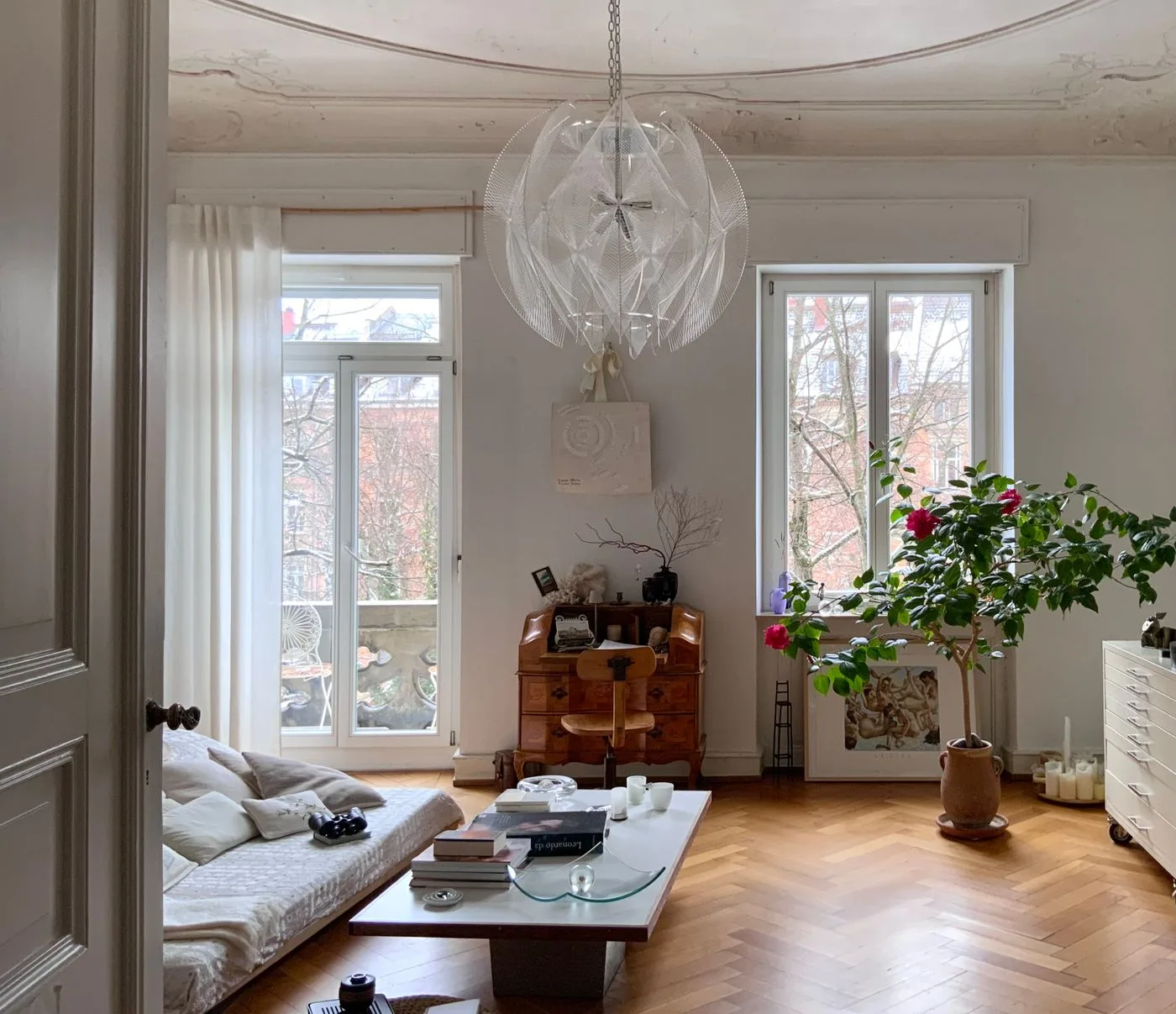
A Small Living Room That Works Beyond the Photo
Make room for conversation, a cup of coffee, and the path to the kitchen with a practical small-room furniture plan.
4 MIN READ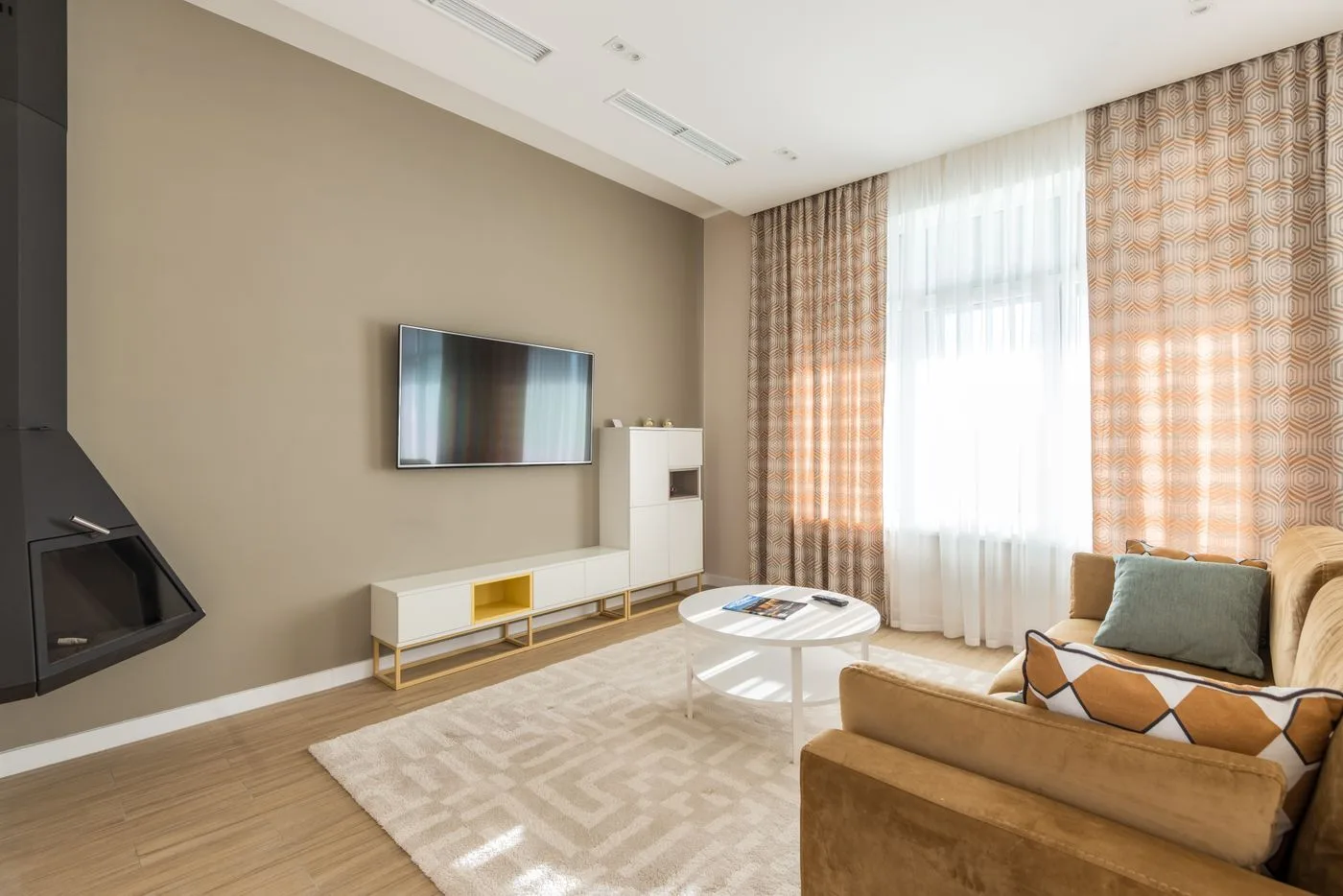
Choose a Living Room Rug You Can Actually Live With
A guide to rug size, pile, pattern, and care for households with crumbs, pets, and everyday traffic.
4 MIN READ
Curtains That Welcome Daylight and Give You Privacy
Plan a window treatment around morning light, evening privacy, hardware, and everyday opening.
4 MIN READ