
A Small Entryway That Handles the Everyday Drop
Build a workable landing spot for shoes, keys, bags, and incoming mail without giving up the hallway.
Our guides explain practical buying considerations; they do not represent hands-on product tests. The shopping links below are ordinary retailer links and currently do not earn us a commission. How our links work.
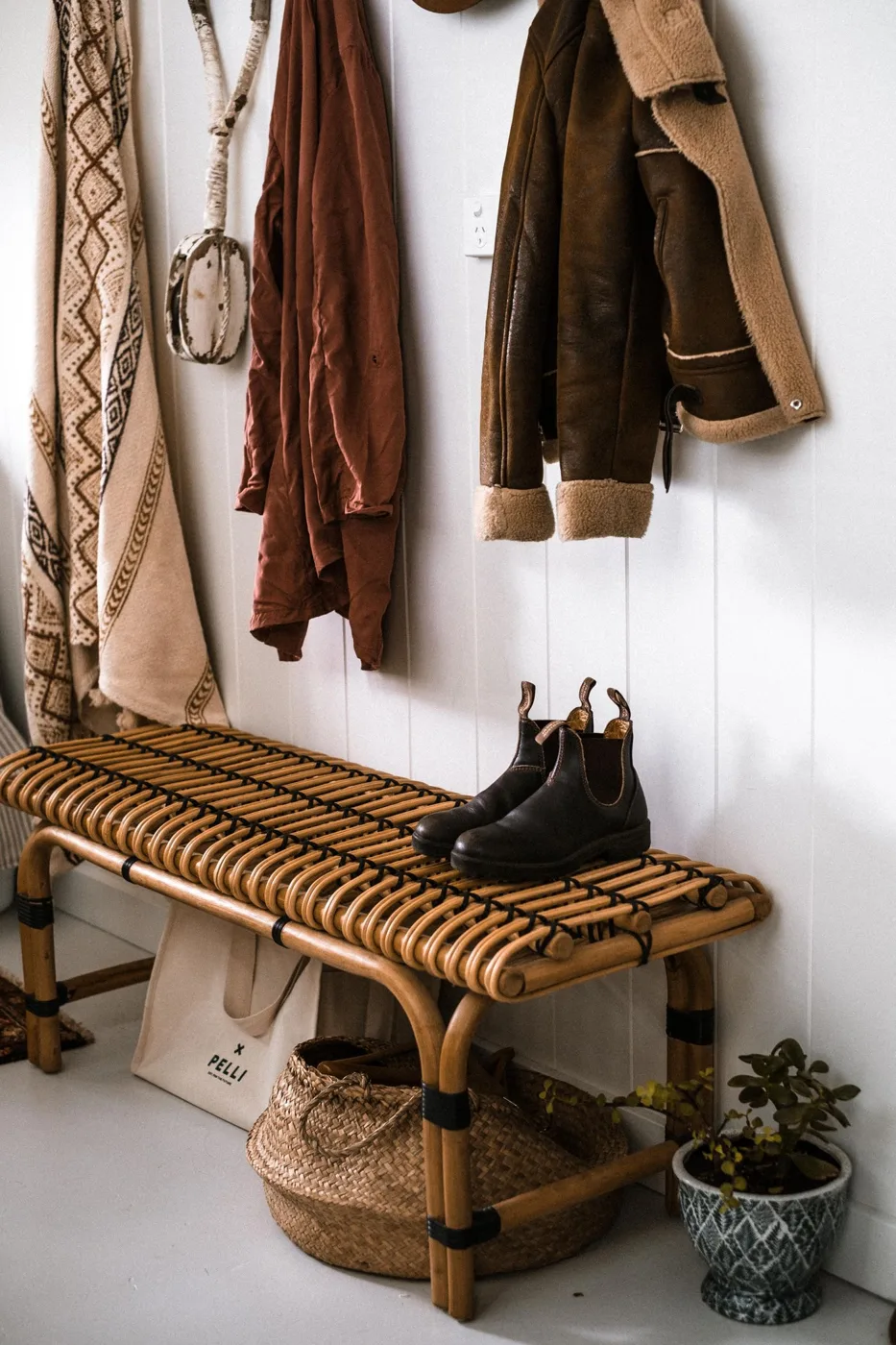
A front door can open directly into the living room and still have a useful landing spot. The goal is to catch the things people actually carry inside: a wet jacket, a grocery bag, tomorrow's school papers, and shoes that cannot be put away quite yet. A beautiful console that leaves these objects on the floor has not solved the problem. Begin with one ordinary arrival and follow where everything lands before choosing furniture.
Plan around the door, then the people
Measure the door swing, the passage beside it, and any closet door that shares the area. Include the baseboard when checking how closely a cabinet can sit against the wall. Walk through carrying your largest everyday bag. If you have to turn sideways, a deeper cabinet is unlikely to improve the routine. A shallow shelf with wall hooks may serve the space better than a bench.
Assign a place to each stage of arrival. Keys need an immediate, visible surface. Bags need hooks that users can reach without lifting them overhead. Shoes need a place near the floor. Mail needs a small processing tray rather than a decorative basket large enough to hide a month of decisions. Keep medication and other child-sensitive items out of an open drop zone.
Bench, cabinet, or wall rail?
| Option | Useful when | Important compromise |
|---|---|---|
| Open shoe bench | Someone needs to sit while dressing | Shoes remain visible and bench depth reduces walking room |
| Enclosed shoe cabinet | Visual calm matters in an open-plan room | Large shoes may not fit; wet footwear should dry before storage |
| Hooks and narrow shelf | Floor space is especially limited | Wall material and installation determine safe capacity |
A bench earns its footprint when someone regularly sits on it. Otherwise, it can become an expensive parcel shelf. Enclosed storage is helpful for visual clutter, but check interior dimensions against actual shoes, not the advertised pair count. Tall boots and adult athletic shoes occupy space differently from the shoes in a product photograph.
Buy fewer pieces with clear jobs
Start with one tray, a small shoe solution, and enough hooks for current daily users. Look for rounded edges where bags or sleeves may catch, a wipeable shelf surface, and hardware appropriate to the wall. Follow the furniture maker's anchoring directions; do not assume a shallow cabinet cannot tip. CPSC's Anchor It guidance is a useful starting point for furniture safety.
Do not buy matching bins before deciding what belongs inside. An open bin works for hats or reusable shopping bags, while loose paperwork benefits from a rigid tray that allows upright sorting. A shoe mat should fit the shoes and the available floor area without extending into the passage. It must lie flat and should not prevent the door from opening freely.
A reset that takes one trip
Keep only the current rotation at the entrance. Move special-occasion shoes and out-of-season gear to longer-term storage. When you take mail to its destination, carry returns or outgoing letters back to the tray. This creates a two-way station instead of a pile that grows in one direction. For shared households, label by person only if that is easier than labeling by object.
On a rainy day, prioritize drying over concealment. Let damp shoes and jackets dry in an appropriate ventilated spot before shutting them inside furniture. A removable tray makes grit easier to remove, but the tray itself still needs cleaning and drying. If the system requires everyone to lift a lid while holding groceries, replace that step with an open compartment.
What to skip
Skip a large organizer that stores every coat you own beside the door. Skip deep woven baskets for keys and small electronics, which disappear at the bottom. Avoid adhesive hooks for heavy bags unless the product is explicitly rated for that load and surface. Spend on stable construction and usable measurements before decorative coordination.
Questions before checkout
Do I need a console table? Only if the surface solves a real need and leaves a comfortable passage. A small wall shelf can catch keys without adding legs to a tight floor plan.
How many shoes should stay here? Base it on daily use, not cabinet capacity. Start with the pairs worn most often and expand only if the floor remains clear.
What is the first useful purchase? A modest tray may be enough. Observe the remaining clutter for several days before buying furniture; that pause often identifies a much smaller solution.
Explore your options
Use these retailer collections to compare current choices. Check the exact dimensions, materials, care instructions, delivery costs, and return terms before ordering.
Shallow entryway storage
Consider it for: Compare shallow storage that leaves the door swing and walking route clear.
Keep in mind: Check interior shoe dimensions; an advertised pair count may not fit your footwear.
Browse retailer options ↗Small trays and shoe organizers
Consider it for: Look for a small catchall tray and an accessible place for daily shoes.
Keep in mind: A deeper organizer can reduce passage space more than expected.
Browse retailer options ↗Sources & further reading
- IKEA storage and organization range
- Target storage and organization range
- CPSC: Anchor It furniture safety
Editorial information and linked destinations reviewed October 6, 2026. Product ranges and specifications can change. Send a correction or a question.
A little more inspiration
More Organization ↗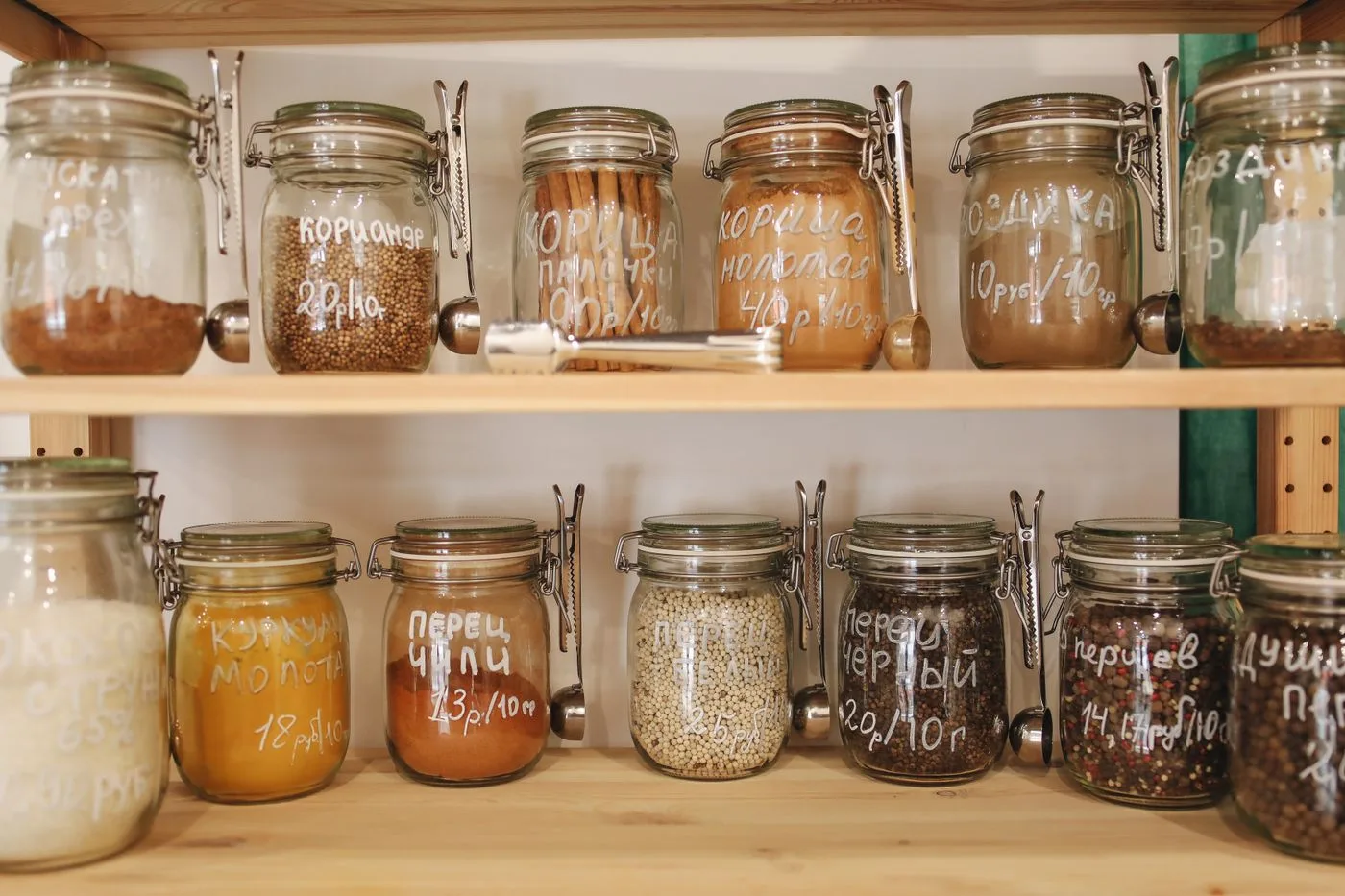
Pantry Bins or Matching Canisters? Choose by How You Cook
Decide what deserves a canister, what should stay in its original package, and how to make pantry space easier to use.
4 MIN READ
Under-Sink Storage That Works Around the Plumbing
Choose caddies, adjustable shelves, and compact bins without blocking shutoff valves or hiding leaks.
4 MIN READ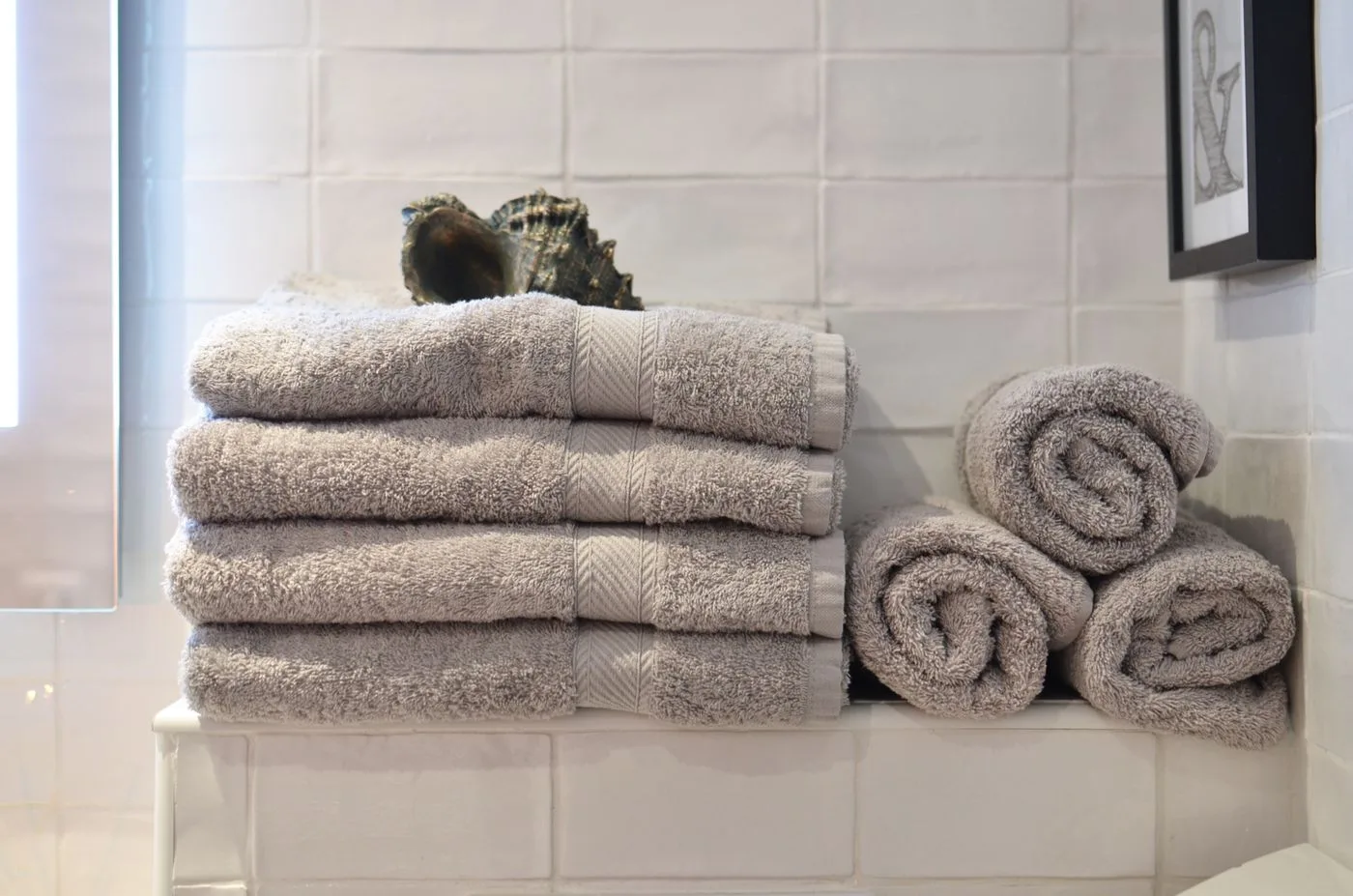
A Linen Closet Organized for the People Who Use It
Create useful zones for sheets, towels, and guest bedding with fewer bins and clearer labels.
4 MIN READ