
A Softer Evening Room Starts With Better Lamp Placement
Use a few well-placed lamps to make reading, conversation, and winding down easier after sunset.
Our guides explain practical buying considerations; they do not represent hands-on product tests. The shopping links below are ordinary retailer links and currently do not earn us a commission. How our links work.
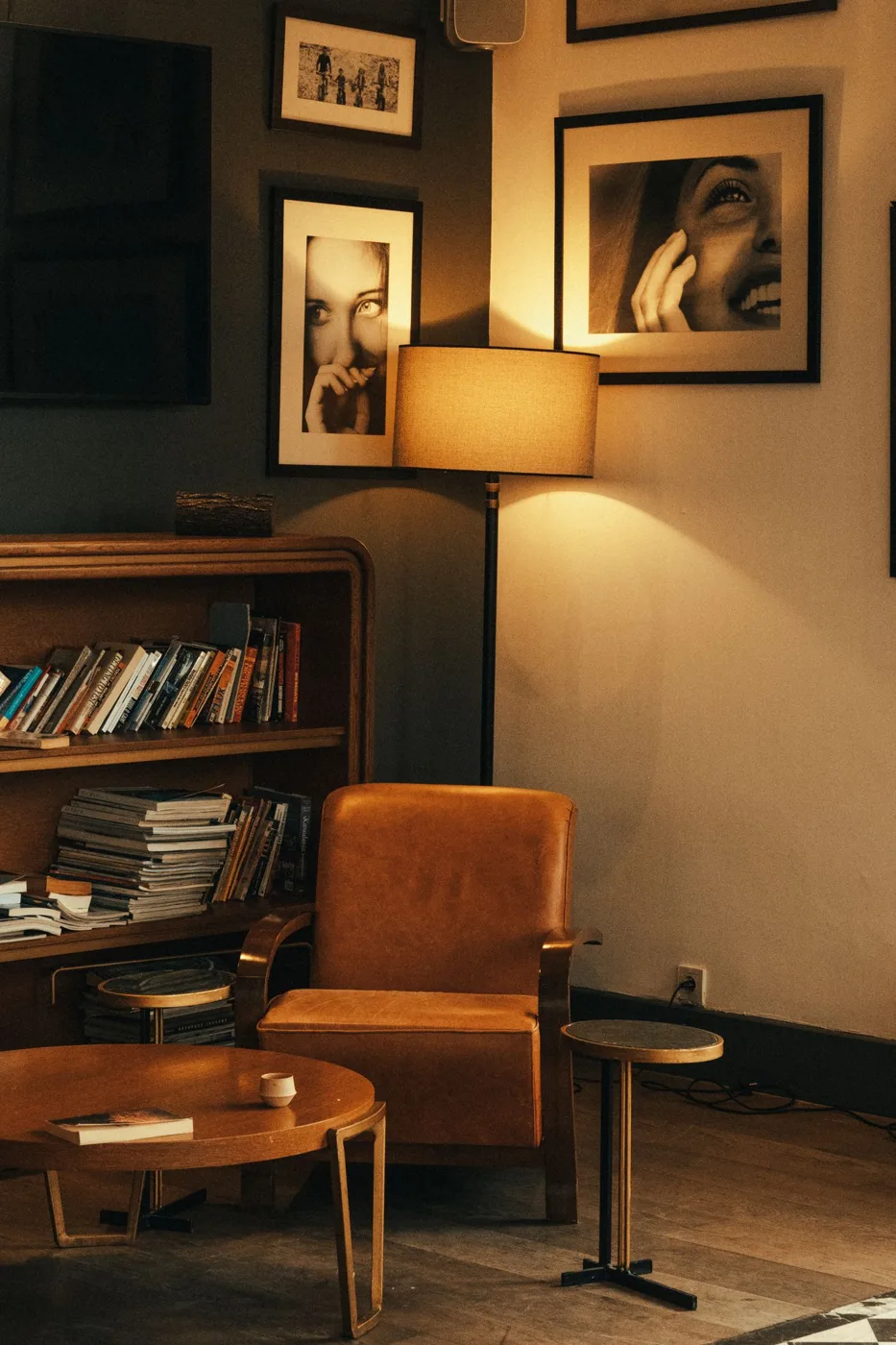
The ceiling light does its job while you find a lost earring or clean the room. It may not create the atmosphere you want during a quiet evening. A more useful lighting plan starts with the activities happening below that ceiling: reading in a chair, reaching for a drink, moving through a hallway, and talking across a sofa. You can often improve the room by relocating existing lamps before purchasing another one.
Give each light a purpose
Think in three roles: general light that helps you navigate, task light for a particular activity, and softer background light that makes the room feel settled. One fixture can contribute to more than one role, but relying on a single bright source makes adjustment difficult. A table lamp beside a reading chair and another across the room can create a more balanced effect than two identical lamps clustered in the same corner.
Walk through the room after dark. Notice where you reach for a switch, where a chair casts a shadow, and whether light reflects in the television. Place a temporary lamp where you think one belongs and live with it for a night. This costs nothing and makes your shopping list much more specific.
Buy the shade and base as a working pair
A shade changes both the appearance and direction of light. An opaque shade may direct most illumination upward and downward; a more translucent shade spreads a softer glow through the sides. Look at photographs of the lamp switched on as well as off, but remember that edited product photography is not a measurement of brightness.
Check whether the shade hides the bulb from your normal seated position. A lamp that looks elegant while standing can produce uncomfortable glare from a low sofa. The base also needs to be stable on the actual table, not just narrow enough to fit. Leave room for a mug and a book if that surface has other jobs.
| What you need | Useful feature | Tradeoff to consider |
|---|---|---|
| Reading in one chair | Directed, adjustable illumination | A focused beam may leave the room dim |
| General evening comfort | A shade that diffuses light | May not be enough for detailed work |
| Quick bedside use | An accessible switch | Touch controls may not suit everyone |
| Flexible mood | Compatible dimming | Bulb, lamp, and dimmer must work together |
Read bulb information carefully
Lumens describe light output, while watts describe energy use. Comparing watts alone can be misleading across different bulb technologies. Color temperature affects whether the light appears warmer or cooler; pick a look that supports the room's use and your preference. For a connected open space, keeping the general tone reasonably consistent can make the transition between lamps less distracting.
Follow the fixture's maximum rating and bulb requirements. A bulb that fits the socket is not automatically suitable for an enclosed shade or a dimmer. If you want dimming, confirm compatibility for the whole setup before ordering. Integrated LED lamps simplify bulb selection but may have a different repair or replacement path, so check the manufacturer's information.
Plan cords before placing an order
Measure from the outlet to the intended lamp position along a safe route. The shortest straight-line distance may run across a walkway. Avoid stretching a cord where someone can catch it, hiding damaged cables, or overloading outlets. Keep electrical products away from water and use them only in locations for which they are rated.
A cordless lamp can be convenient where an outlet is missing, but charging becomes part of the routine. Check the stated operating conditions and whether replacement batteries or service are available. Do not buy one simply to avoid solving an unsafe permanent cord arrangement. If a new outlet or fixed fixture is needed, use a qualified electrician.
Where to spend and where to simplify
Spend on a stable base, comfortable light distribution, and controls you can use easily. You do not need every lamp to match. A shared color, finish, or shade shape can create enough connection while allowing different heights for different surfaces. Skip a decorative miniature that produces too little useful light unless accent light is truly its only job.
How many lamps does a living room need?
There is no universal count. Begin with the dark activity areas and add one source at a time. Room size, wall color, daylight, and eyesight all affect the result.
Can a mirror solve a dark corner?
A mirror can reflect available light and alter the view, but it does not generate illumination. Check what it reflects from the seating position. A reflected bare bulb can create another source of glare rather than a calmer room.
Explore your options
Use these retailer collections to compare current choices. Check the exact dimensions, materials, care instructions, delivery costs, and return terms before ordering.
Browse table lamps
Consider it for: Compare shade diffusion, switch access, and the lamp’s footprint.
Keep in mind: A decorative lamp may provide little task light.
Browse retailer options ↗Browse mirrors
Consider it for: Consider reflected views as part of the room’s light plan.
Keep in mind: Mirrors can reflect glare as readily as pleasant light.
Browse retailer options ↗Sources & further reading
Editorial information and linked destinations reviewed October 6, 2026. Product ranges and specifications can change. Send a correction or a question.
A little more inspiration
More Home ↗
A Small Living Room That Works Beyond the Photo
Make room for conversation, a cup of coffee, and the path to the kitchen with a practical small-room furniture plan.
4 MIN READ
Choose a Living Room Rug You Can Actually Live With
A guide to rug size, pile, pattern, and care for households with crumbs, pets, and everyday traffic.
4 MIN READ
Curtains That Welcome Daylight and Give You Privacy
Plan a window treatment around morning light, evening privacy, hardware, and everyday opening.
4 MIN READ