
Make an Entryway Even When Your Front Door Opens Into the Room
A compact landing zone for keys, shoes, bags, and the daily arrival home.
Our guides explain practical buying considerations; they do not represent hands-on product tests. The shopping links below are ordinary retailer links and currently do not earn us a commission. How our links work.
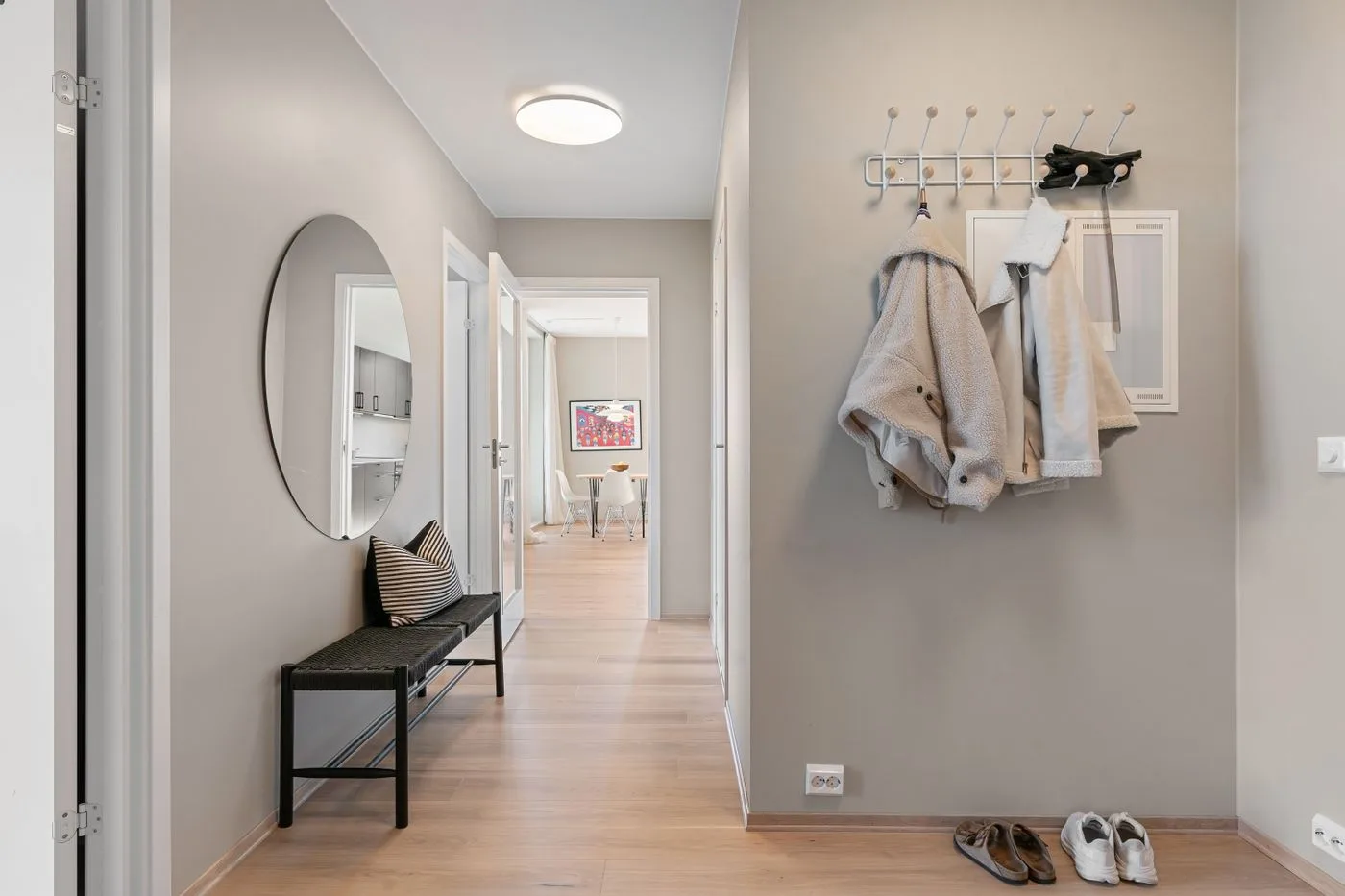
Some homes have a foyer. Others have a front door that opens directly beside the sofa. The absence of a separate hallway does not remove the need for a place to arrive. Keys, a damp jacket, and a grocery bag will land somewhere. A useful entry zone gives those objects a predictable destination without turning the living room into a storage aisle.
Watch the first minute after arrival
Notice what happens when you come home with your hands full. Where do you set a bag while unlocking the next door? Where do shoes come off? Does the door open into the only available wall? Design around that sequence. A narrow console is not useful if it prevents the door from opening fully, and a beautiful basket is not useful if everyone walks past it.
Measure the complete door swing and preserve a clear route. In a rented apartment or shared building, do not extend your storage into a common hallway without permission. The landing zone belongs within the space you can safely use. If there is no room for a surface, a small wall-mounted arrangement may be more practical, provided the wall and installation method can support it.
Limit the surface to active belongings
An entry surface should hold what needs to leave again soon: keys, a wallet, perhaps a letter that must be mailed. It should not become the permanent address for every object with no other home. Use one shallow tray rather than several small containers. A visible boundary makes it easier to recognize when the area needs resetting.
For a household with several people, allocate space by use rather than buying identical organizers for everyone. One person may need a hook for a backpack; another may need a small place for glasses. Place frequently used items at accessible heights. Keep cords, heavy hanging bags, and loose straps out of the walking path.
Give the floor a realistic job
A mat near the entrance can catch some tracked-in debris, but it needs to fit the door clearance and remain stable. An entry rug is often exposed to grit and moisture more frequently than a living room rug. Check its care instructions and backing compatibility with your floor. Let wet items dry appropriately instead of leaving moisture trapped beneath a rug or shoe tray.
| Your arrival habit | Useful element | What to avoid |
|---|---|---|
| Shoes come off immediately | A defined, easy-clean shoe area | Deep storage that hides daily pairs |
| Hands are often full | One reachable landing surface | Fragile decor at the edge |
| A final outfit check | A securely installed mirror | A leaning mirror in a busy path |
| Several bags arrive daily | Properly rated hooks | Hanging everything on one weak fixing |
Use a mirror with intention
A mirror can make the entry feel more deliberate and provide a final check before leaving. Choose its position based on what it reflects, not just the empty wall. Reflecting a window or calm part of the room may be pleasant; reflecting the shoe pile simply repeats the shoe pile. Check the view from the doorway and from the sofa if the spaces share a wall.
Follow the product's mounting instructions and use hardware suited to the wall and weight. Do not assume an adhesive strip is suitable for a heavy mirror. In a high-traffic area, secure installation matters more than achieving a particular styling angle. If you cannot install safely, skip the mirror until you have an appropriate solution.
Make the boundary visible without building a room
A small rug, one wall color, or a coordinated pair of functional objects can signal the entry zone. You do not need a bulky divider. In a tiny apartment, too many separate finishes can make the front door area feel busier than the rest of the room. Repeat one material or color already present in the living space.
Lighting also helps. If you arrive after dark, ensure the first switch is easy to reach. A lamp can contribute to the atmosphere, but it should not force a cord across the entrance. Keep the landing surface useful by leaving enough room around its base.
Before adding another organizer
Try a one-week edit. Remove out-of-season shoes, old mail, and bags that are not in regular rotation. Often the space problem comes from inactive objects rather than insufficient furniture. Buy only for what remains. A deeper cabinet can conceal clutter while making the daily route worse.
Does an entryway need seating?
Only if sitting to remove shoes is genuinely useful and the space allows it. A stable existing chair may serve that purpose nearby. Avoid a narrow decorative stool that feels uncertain under weight.
How often should the area be reset?
A brief reset when you bring in mail or put away groceries is often easier than a large weekly clear-out. The goal is a surface ready for the next arrival, not a permanently styled display.
Explore your options
Use these retailer collections to compare current choices. Check the exact dimensions, materials, care instructions, delivery costs, and return terms before ordering.
Browse rugs for an entry zone
Consider it for: Check door clearance, stability, and cleaning requirements.
Keep in mind: An absorbent rug still needs to dry fully.
Browse retailer options ↗Browse entryway mirrors
Consider it for: Compare dimensions and mounting requirements for the available wall.
Keep in mind: Safe installation may require wall-specific hardware.
Browse retailer options ↗Sources & further reading
Editorial information and linked destinations reviewed October 6, 2026. Product ranges and specifications can change. Send a correction or a question.
A little more inspiration
More Home ↗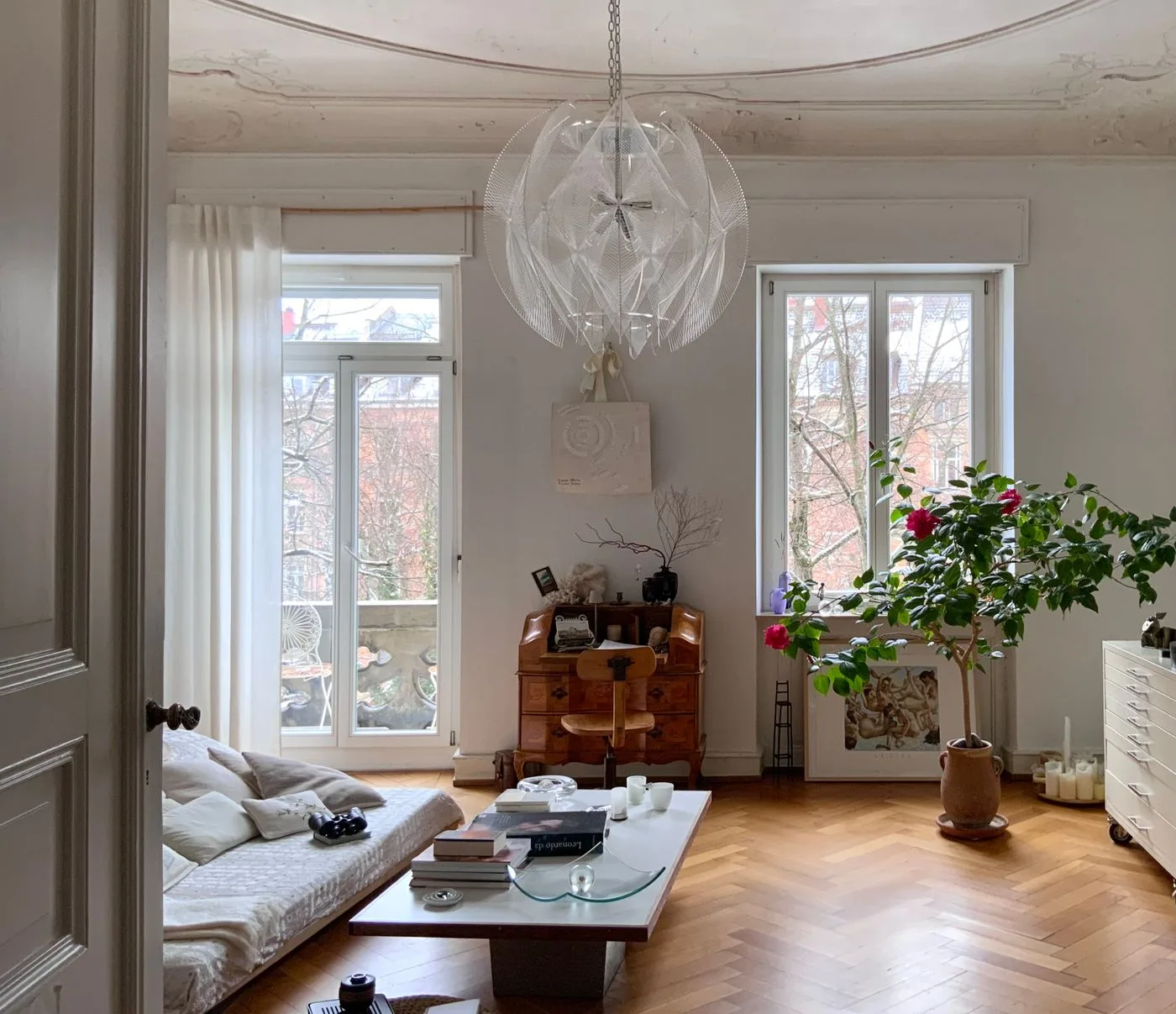
A Small Living Room That Works Beyond the Photo
Make room for conversation, a cup of coffee, and the path to the kitchen with a practical small-room furniture plan.
4 MIN READ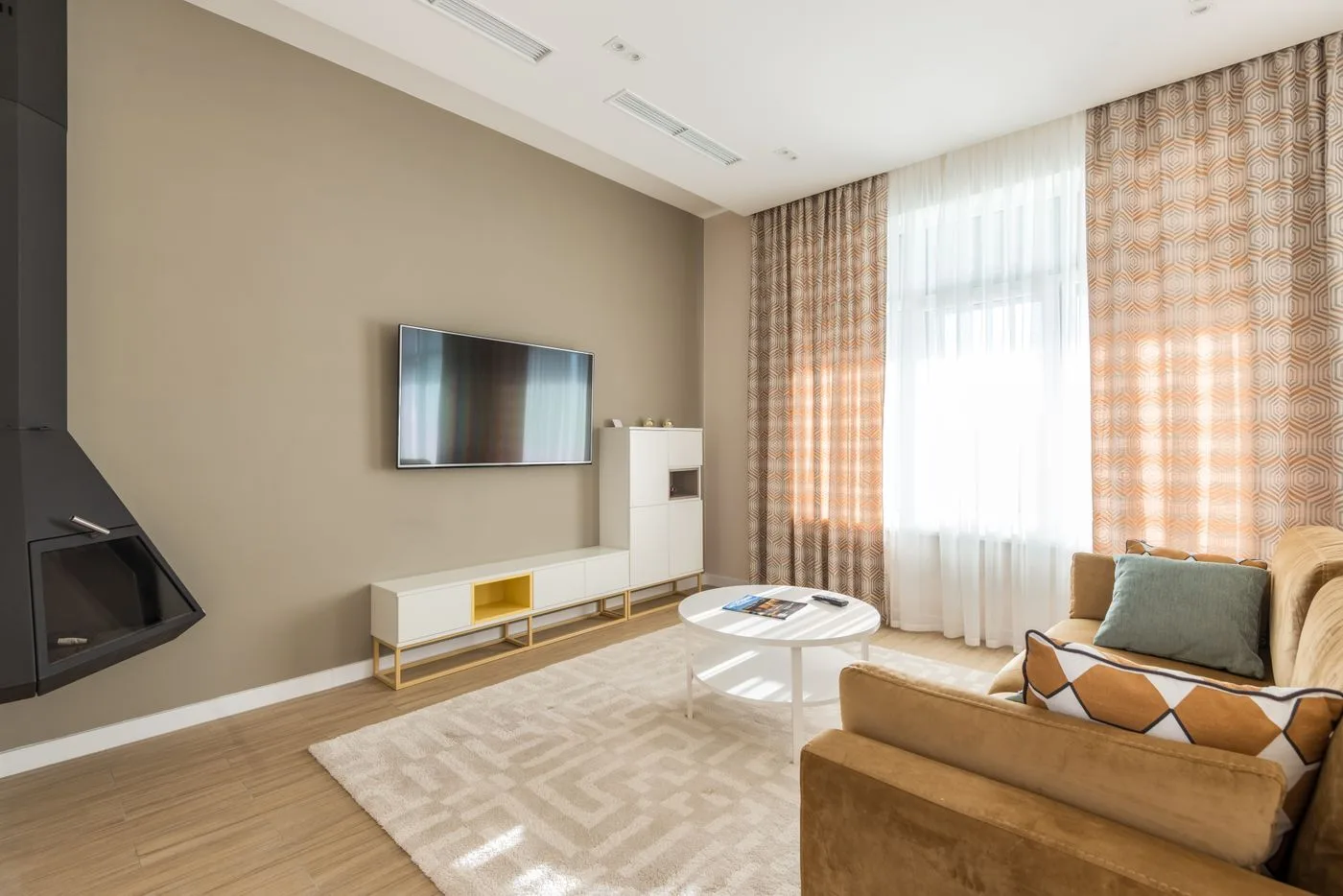
Choose a Living Room Rug You Can Actually Live With
A guide to rug size, pile, pattern, and care for households with crumbs, pets, and everyday traffic.
4 MIN READ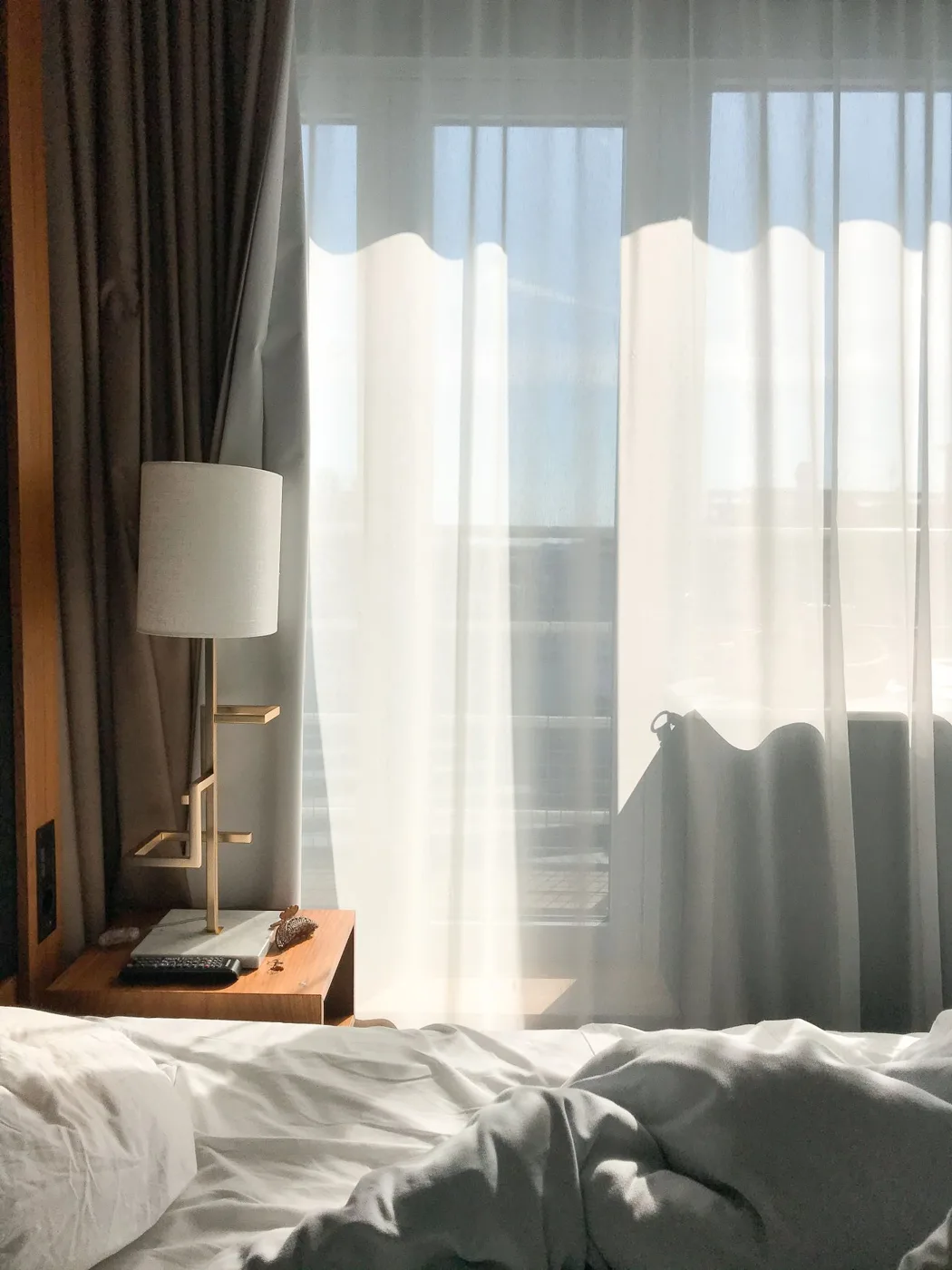
Curtains That Welcome Daylight and Give You Privacy
Plan a window treatment around morning light, evening privacy, hardware, and everyday opening.
4 MIN READ